Sometimes, the difference between life and death is a timely diagnosis, a surgery that reversed a medical emergency, or the simple opportunity to see a medical professional when the cost of care would otherwise keep you away.
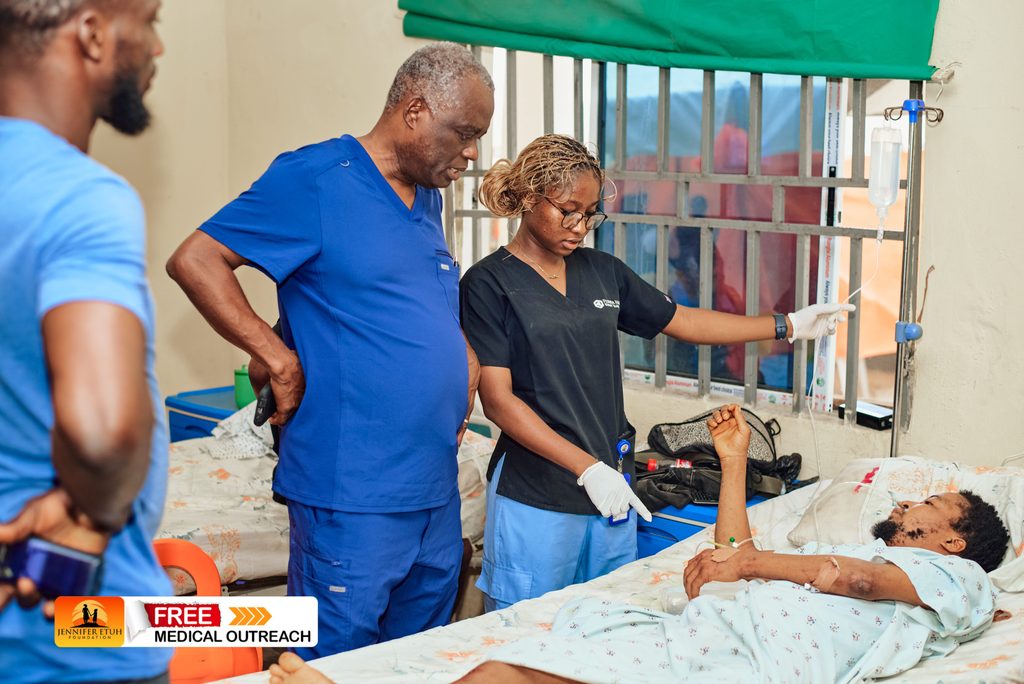
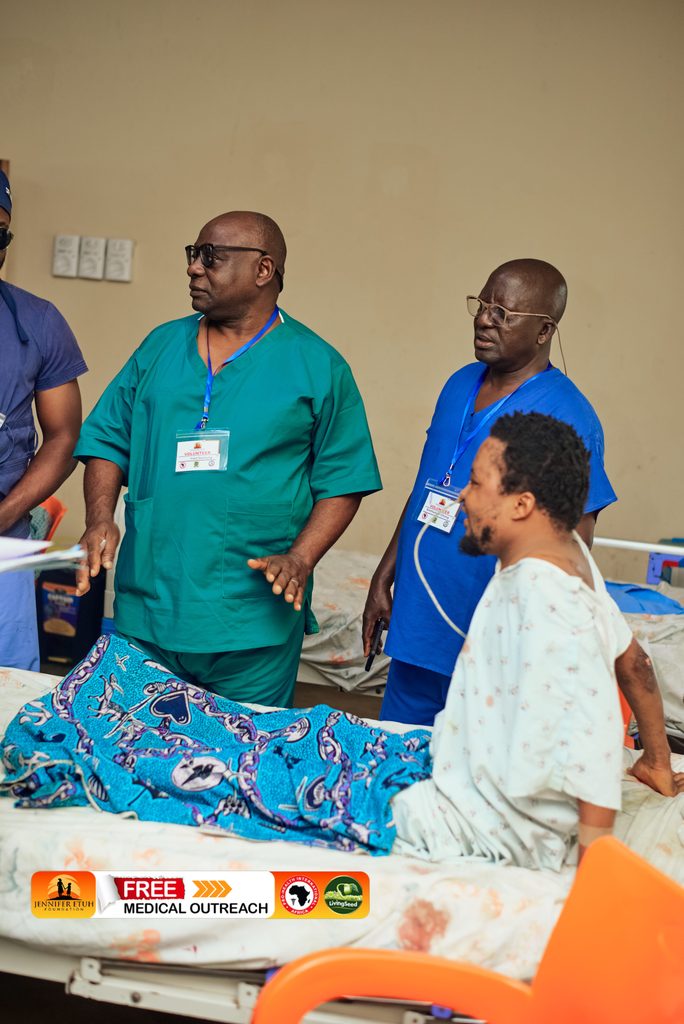
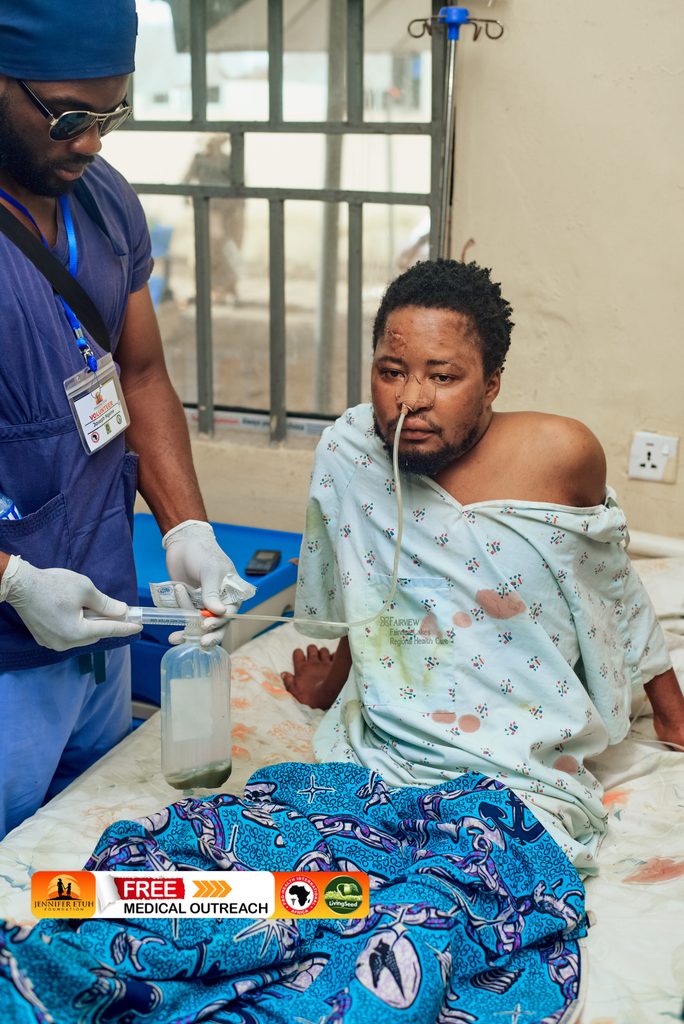
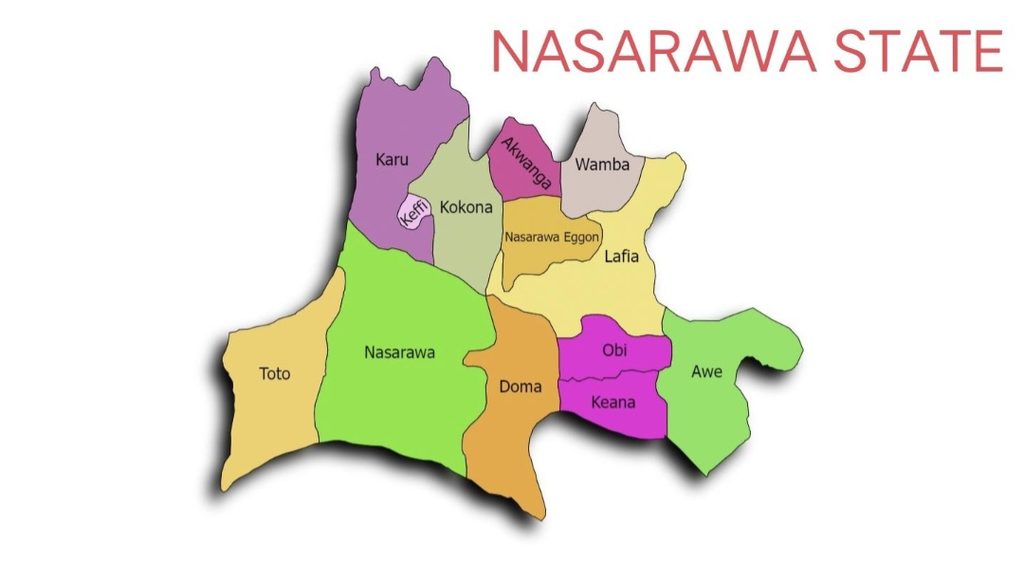
For five days, October 12 to 16, 2026, access to healthcare became a doorway to healing and futures that might otherwise have been lost as Jennifer Etuh Foundation (JEF), brought free, quality medical care to the people of Nasarawa state in partnership with Pro-Health International (PHI) (our implementing partner) and Peace House at the Dalhatu Araf Specialist Hospital, Akwanga. What unfolded was a powerful demonstration of what becomes possible when compassion meets expertise, and healthcare reaches the people who need it most.
Tethering At The Brink of Death
One exceptional example of the power of timely interventions was the case of Apollos. Like many people who trivialise stomach aches, Apollos thought a routine hospital check would provide the medications that would resolve the pain, and he could go on with his day. What he didn’t know was that his journey to the Dalhatu Araf Specialist Hospital that fateful day was going to be his meeting with destiny.
Upon examination, our physicians noticed something concerning: not only was his abdomen unusually tender, with the pain intensifying, but it was evident that there was a deeper problem at play. Without delay, Apollos was taken in for surgery, and what our surgical team discovered told the tale: a ruptured duodenal ulcer that had perforated the intestinal wall, allowing intestinal contents to leak into his abdominal cavity. This is a situation that could rapidly lead to severe infection, sepsis, and death if not treated promptly. Hence, six surgeons worked tirelessly to repair the perforation and control the leakage, turning a potential tragedy into a miracle.
If Apollos had made the mistake of dismissing the pain, failed to seek help, or lacked access to this life-saving intervention, the outcome could have been tragically different. His story underscores an important truth: access to healthcare is not only about finding treatment for an illness; it is also about reaching the right care before a treatable condition becomes a tragedy. Today, our hearts are full because Apollos has a second and better chance at life, filled with opportunities to create more fond memories with his family and friends.
From Twenty Years of Darkness to Light
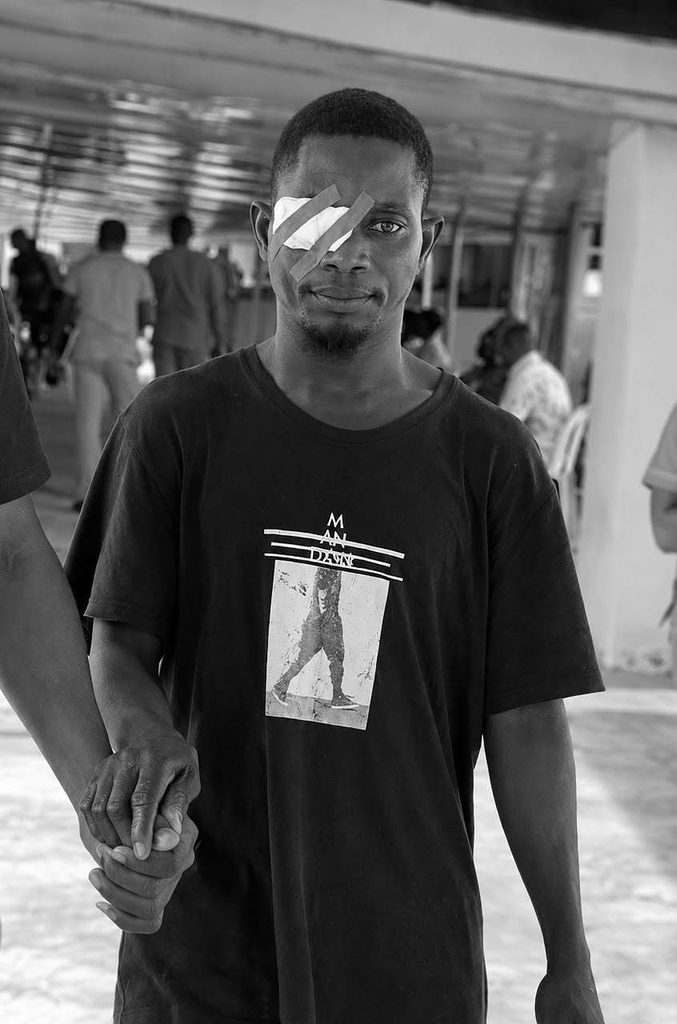
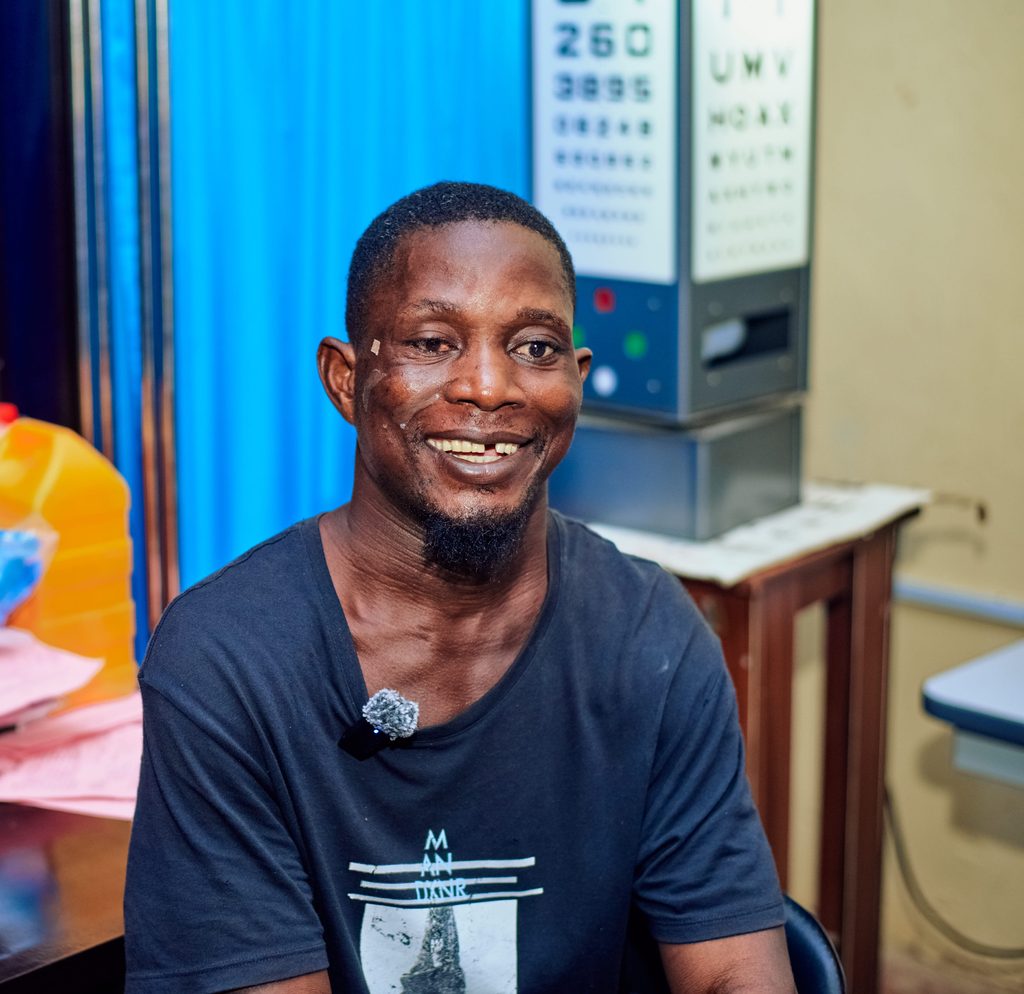
Another touching case was the dilemma Monday found himself in when an accident changed his life forever. As a little boy who served as a guide and caregiver for his visually impaired father, a domestic accident left him blind in his right eye as a result of a traumatic cataract twenty years ago. Though devastating, he refused to be held back by this unfortunate incident. However, five years ago, his day turned to night when he lost vision in his second eye. As if losing his independence and the simple freedoms of life wasn’t bad enough, his marriage hit rocks and, with it, access to his children.
When he heard of our outreach, a flicker of hope fluttered in his heart, and he decided to attend, but there was a problem: Monday had no one to guide him to the hospital. Determined not to let the opportunity pass him by, he found his way, navigating a world he could not see while holding on to the hope of a different future. After our medical team assessed him, surgery was performed on his right eye. The following morning, Monday saw for the first time in twenty years. We assessed his second eye and took him in for surgery again, and by the next day, Monday’s vision was fully restored. Imagine what that moment must have felt like: the return of light, the possibility of seeing the world beyond what memory and touch could preserve. After years of blindness, a new chapter began, and the man who groped into the hospital walked out fully sighted. What a transformation!
Monday’s story is a reminder that access to healthcare does more than relieve pain or treat disease. It restores independence, re-establishes opportunities, and restores possibilities that seemed lost forever.
When A Distant Hope Becomes A Present Reality
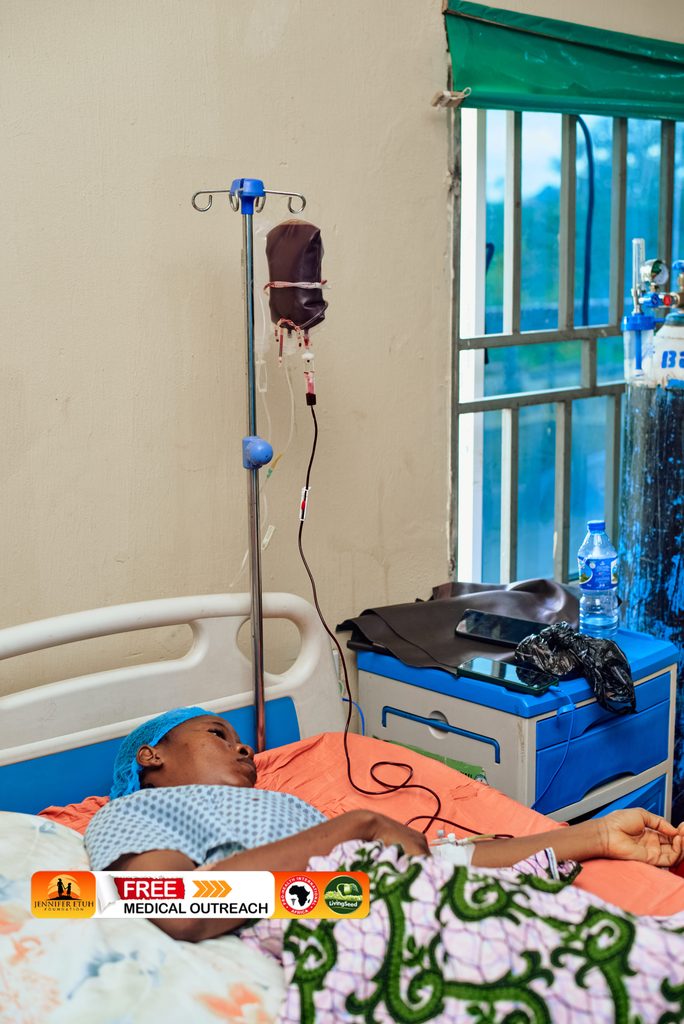
A clear example of a restored possibility is the case of Esther. Like many young women, Esther looked forward to getting married, becoming a mother, and building a family of her own. But her dreams were shrouded in uncertainty when she received the diagnosis of uterine fibroids. Her situation was further complicated when she started experiencing amenorrhoea, the absence of her menstrual periods, raising concerns about her reproductive health and her hopes of becoming a mother.
For years, Esther struggled to access the treatment she needed because she could not afford the cost of surgery. But when she heard about our free medical outreach in Akwanga, she saw an opportunity to seek the care that had remained beyond her reach for so long. After necessary investigations were made, our medical team performed a myomectomy, a surgical procedure to remove the uterine fibroids. For Esther, the intervention marked an important turning point: the hope for her reproductive health and the possibility of building the family she dreams of were restored.
The Wider Story Behind the Statistics
Apollos, Monday, and Esther represent different faces of the same reality: people need healthcare at different moments, for different reasons, and with different levels of urgency. Some come seeking relief from a persistent discomfort; others arrive hoping to regain a lost ability or access treatment they have postponed for years. Some discover a hidden condition, while others need emergency intervention without which the consequences could be devastating. At Akwanga, our response extended beyond these individual stories.
Over five days, the outreach provided 4,283 patients a wide range of medical services through 11,684 medical interventions. However, the value of these interventions cannot be measured by numbers alone. Their significance lies in what they make possible: discovering conditions before they deteriorate further, bringing relief where pain, shame, and discomfort once reigned supreme, discovering risks that would otherwise have remained hidden and could silently claim lives, and helping patients survive medical emergencies. The significance of these interventions lies in the fact that today, beyond Akwanga, Nasarawa state has healthier individuals, more secure families, more thriving communities, and futures no longer constrained by conditions that could have been treated.
Why We Keep Showing Up
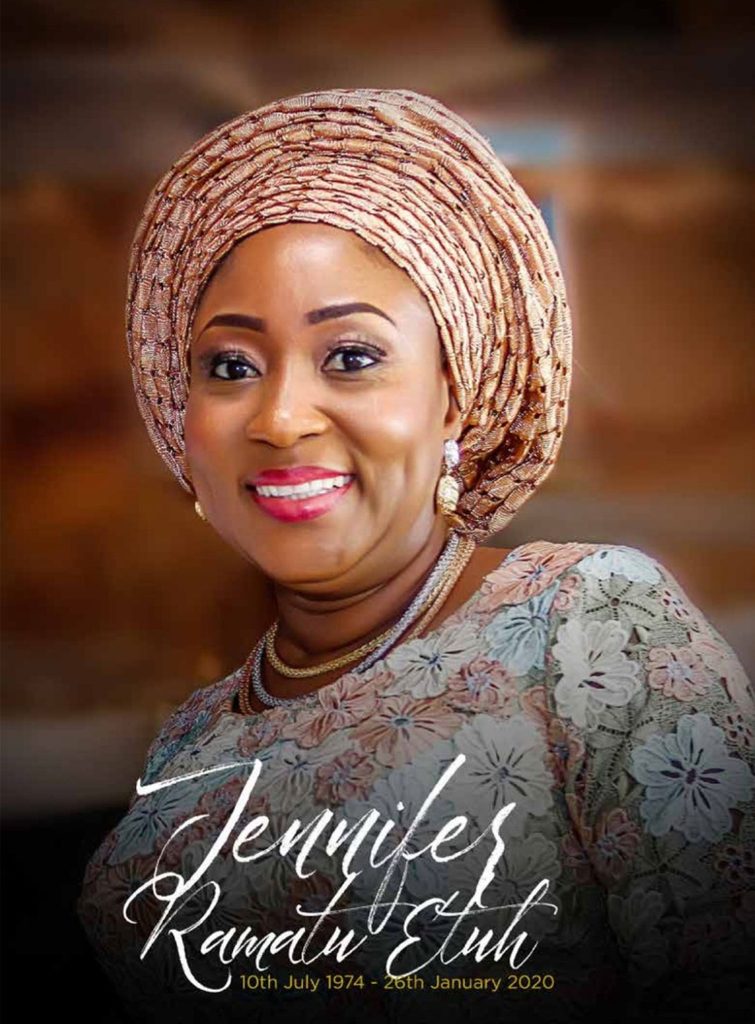
At Jennifer Etuh Foundation, our work is rooted in a conviction that healthcare should not be a privilege reserved for those who can afford it. Every life matters, and every person deserves the opportunity to receive quality care. Our late founder, Mrs Jennifer Ramatu Etuh, believed that no woman or girl should have to suffer as she did. That conviction continues to shape our commitment to education, healthcare delivery, women’s economic empowerment, and community development. Our first outreach in Nasarawa state was yet another expression of that commitment.
We came to Akwanga because the need for accessible healthcare extends beyond familiar locations and established communities. We came because distance, financial hardship, and delayed diagnosis should not determine whether someone receives the care they need. We came because the ability to pay should not stand in the way of a person and the possibility of healing. Yet, we also recognise that medical outreaches, important as they are, cannot meet every healthcare need on their own. Sustainable progress requires stronger health systems, well-equipped facilities, trained professionals, community awareness, and partnerships that make quality care more accessible over time. This is why collaboration matters.
Help Us Take the Gift of Healthcare Further
The success of the Akwanga outreach was made possible through the collective commitment of medical professionals, partners, and volunteers, who contributed their time and expertise to provide access to timely diagnosis, skilled medical care, essential medicines, and life-saving surgery. We can’t help but wonder: what would it mean for more communities to have this? How many more lives could be protected if more people received care before a manageable condition becomes an emergency? These questions cannot be answered through good intentions alone. They require collective action, and we are inviting healthcare institutions, corporate organisations, development partners, philanthropists, medical professionals, and other like-minded organisations to partner with us in expanding access to quality healthcare and strengthening community development across Nigeria.
Whether through funding, medical supplies, specialist expertise, equipment, health education, or strategic programme partnerships, there is a meaningful place for you in this mission. Together, we can reach underserved communities, respond to urgent needs, strengthen local healthcare delivery, and create interventions whose benefits extend well beyond the days of a medical outreach.
If you believe in this cause, we invite you to send us an email at www.jenniferetuhfoundation.org/contact-us/ to collaborate.