After our first visit to Mallagum-Kagoro earlier this year, we were confident that the turnout for our second visit would be significant. However, what Mallagum-Kagoro delivered exceeded our expectations, not simply because of the numbers, but because of the people we met, the trust they placed in us, and the moments that reminded us why this work matters. Many encounters stayed with us, and we’d like to share a few of them today.
The Power of Tenacity
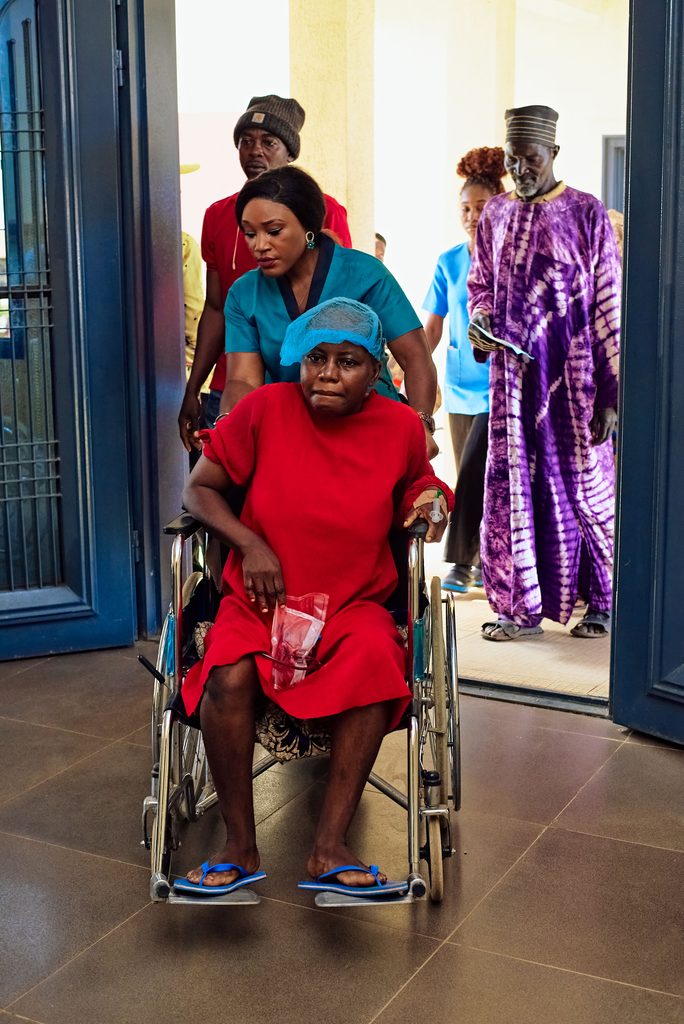
If you have ever poured your heart into something and watched every attempt end in disappointment, you’ll understand Anastasia’s dilemma. For nine years, she lived with fibroids and the pain, disruption, and uncertainty that came with them. She had tried repeatedly to access surgery, but each attempt fell through.
As one of our ardent social media followers, Anastasia heard about our free medical outreach in Odu-Ogboyaga in 2025 and came. Sadly, she was unable to undergo the surgery she needed. The disappointment was so profound that she revealed that the experience left her feeling devastated and, at her lowest, suicidal. Yet somehow, she found the strength to try again. When we began announcing our 2026 outreaches, Anastasia followed our updates the way people follow the news; closely, patiently, tracking locations, making inquiries, deciding which outreach she could attend. When Mallagum-Kagoro was confirmed, she made her decision. She took leave from work, packed a bag, and travelled with her husband from Ankpa, Kogi State, to the Jennifer Etuh Specialist Hospital, chasing a hope she’d been holding onto for almost a decade.
Her tenacity paid off as her myomectomy was conducted successfully. For her, it was more than a procedure. It was the opening of a new chapter after years of uncertainty. And sometimes, that is what healthcare makes possible: not merely treating a condition, but helping someone imagine life beyond it.
Light at the end of the Tunnel
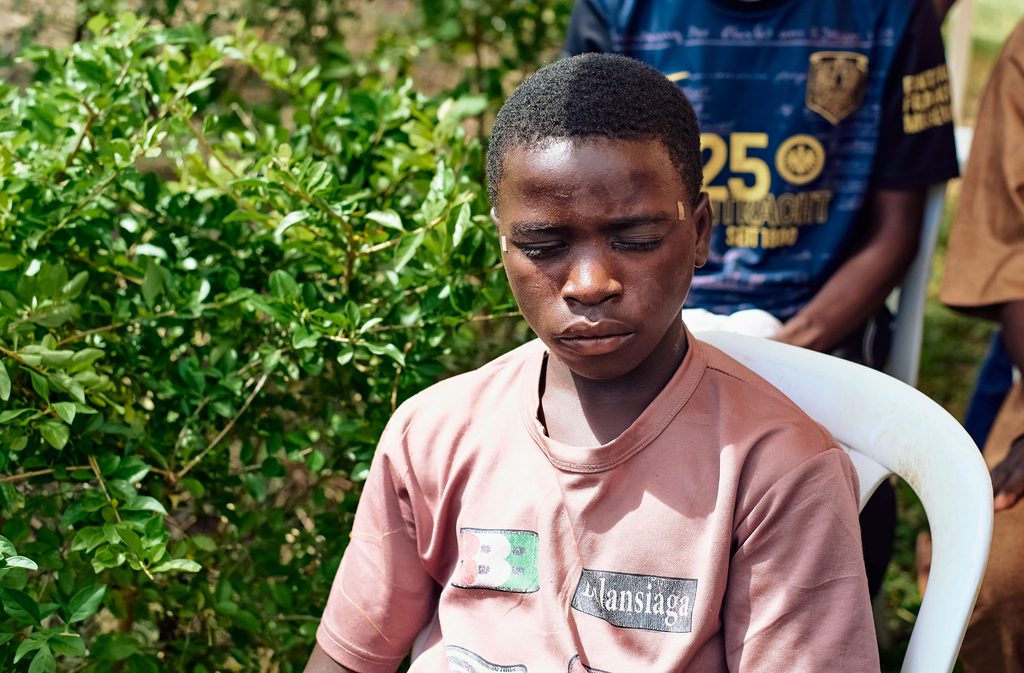
While we were yet celebrating Anastasia’s breakthrough, we met fourteen-year-old Richard. Richard was born sighted, but unlike other children who were playful and carefree, he grew up a cautious little boy. Cautious because his vision had been failing for years, until the world around him disappeared into darkness.
Left without his parents, his grandmother raised him, never giving up hope that one day, he would see again and lead a normal life like every other child. Driven by this hope, she made concerted efforts to raise enough money for the cataract surgeries he needed, but time and time again, the funds seemed out of reach. When she heard about the outreach, it felt like an answered prayer, so without delay, she brought Richard. While he hoped to see again, over a decade in darkness made hope feel risky. As the moment approached, Richard became afraid and refused to proceed with surgery. Refusing to let fear deny them this opportunity, his grandma kept encouraging and assuring him, doing her best to allay his fears. Then came the moment none of us will forget. When the bandages were taken off his eyes post-surgery, Richard saw a familiar figure approaching in the distance. Immediately, recognition set in and he shouted a name he hadn’t been able to attach to a face in over ten years: “Aunty Jummai!” What an emotional moment. We doubt anyone who was there walked away unchanged. We certainly did not.
We are excited because for Richard, restored sight means possibilities that had once seemed lost: returning to school, learning with greater independence, rediscovering childhood, pursuing his dreams and imagining a future he can now see. What a gift. And what a reminder that sometimes the most powerful transformation is simply giving someone back a possibility they thought they had lost. But that’s not where the story ends.
From Routine Check to Emergency
There’s something about danger that lurks without announcing itself and strikes when not expected. Such was the case of the young lady in her second trimester who accompanied by her mother-in-law, came to see our physicians for what they expected to be nothing more than a standard antenatal check. That “standard check” turned into an emergency when upon investigation, our physicians discovered that her blood count was dangerously low. Low enough that without immediate intervention, she and her unborn child might not have survived the week. Neither she nor her mother-in-law had any idea how close danger had been lurking.
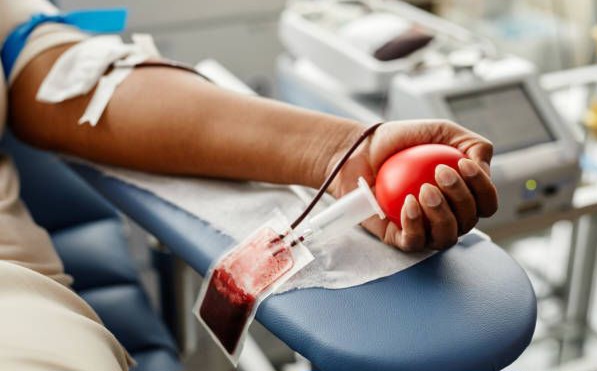
Our volunteers understanding the gravity of the situation, responded immediately, donating blood to help stabilize mother and baby. But we didn’t stop there; we provided the prenatal health education needed to support her through the rest of her pregnancy. We are happy because in the coming months, the family that escaped death by a whisker will be celebrating the gift of new life.
A Heartfelt Testimonial
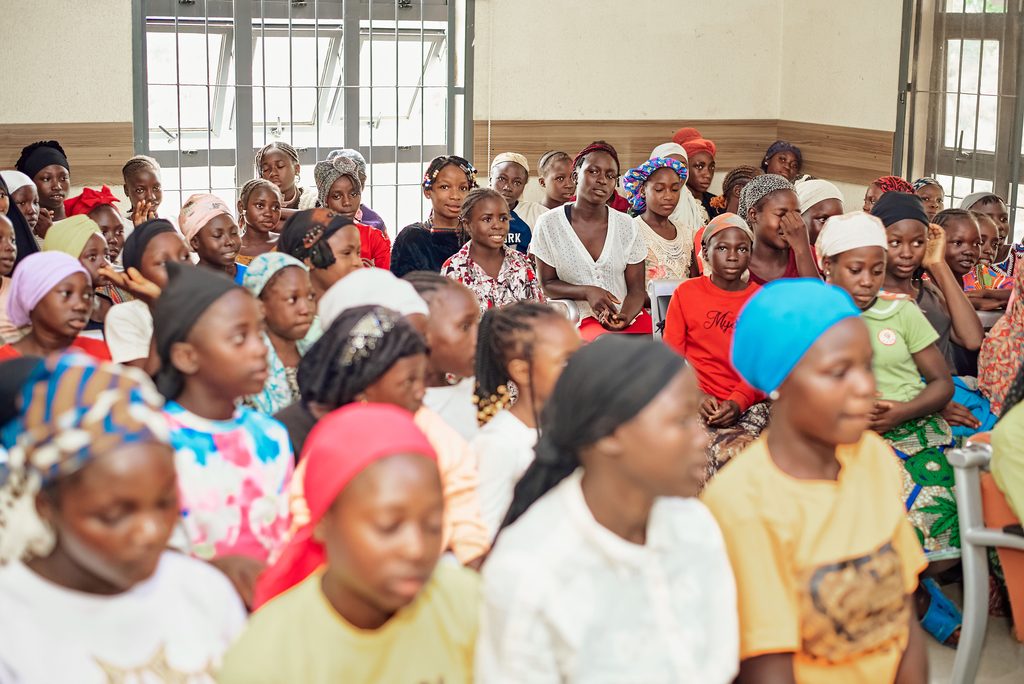
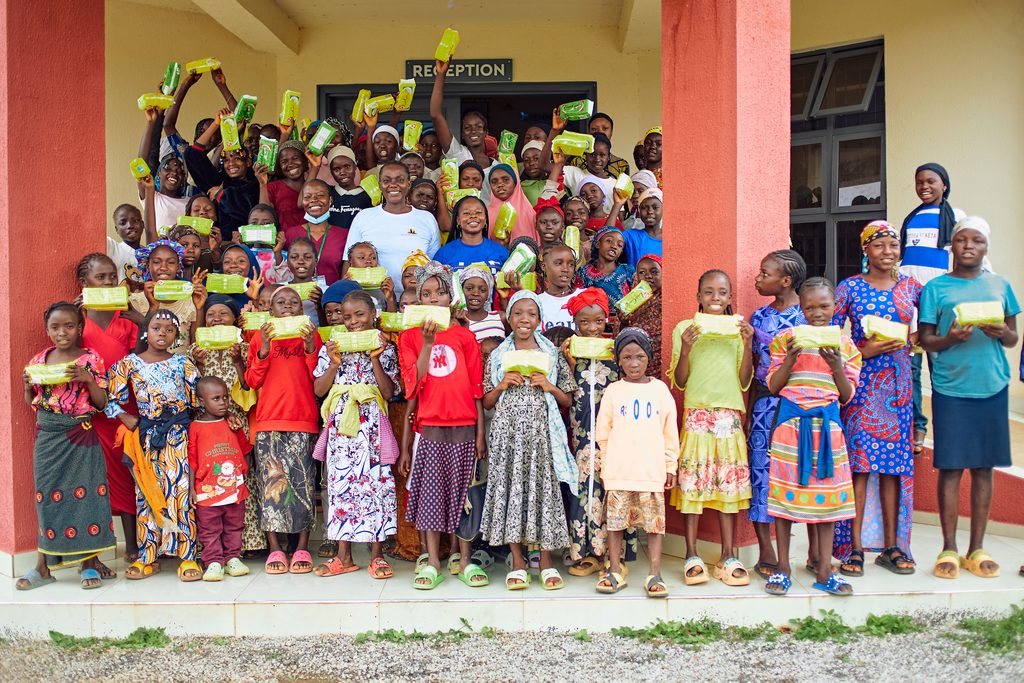
There are many more stories we could tell. We could talk about the record number of children served during this outreach; the highest number we have ever reached at an outreach.
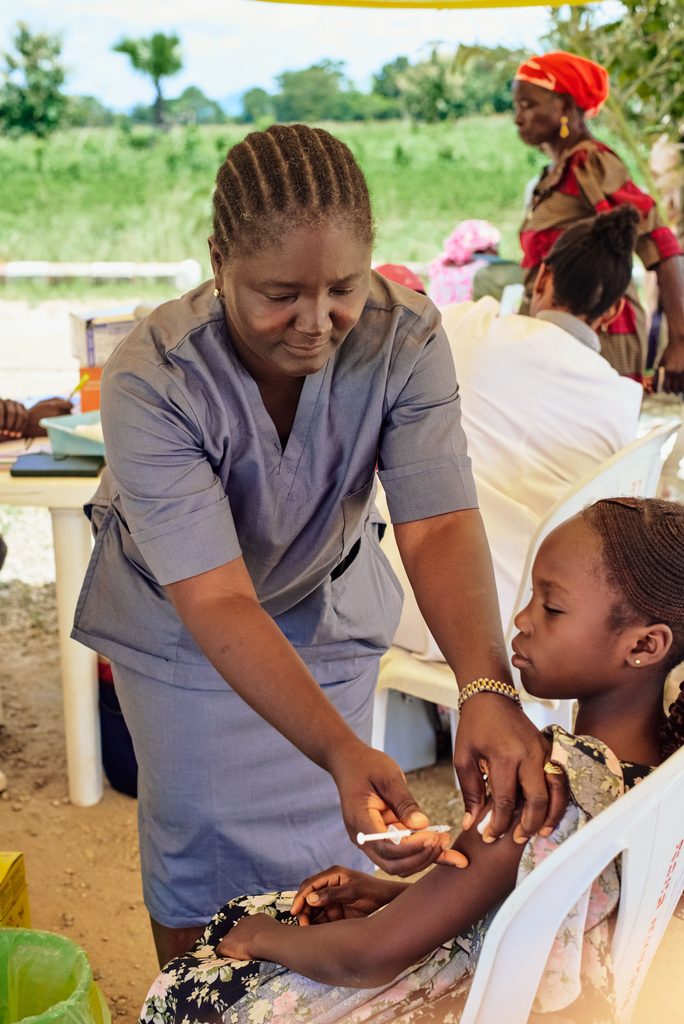
We could talk about the immunization and vaccination program, the first of its kind on our outreaches.
We could talk about the amazing people living with disabilities who entrusted us with their care.
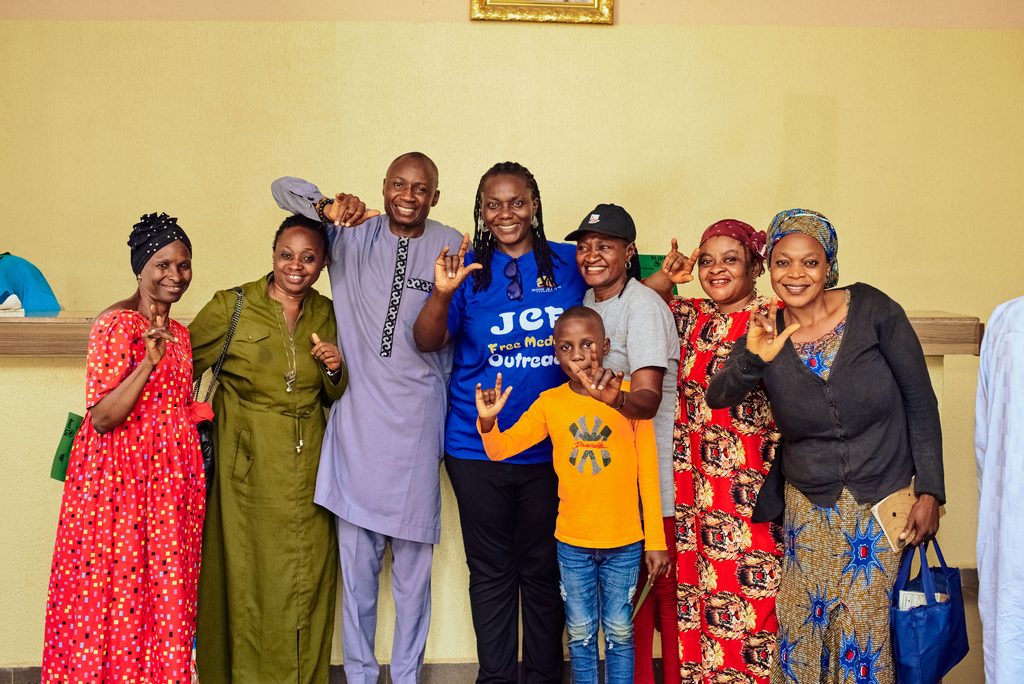
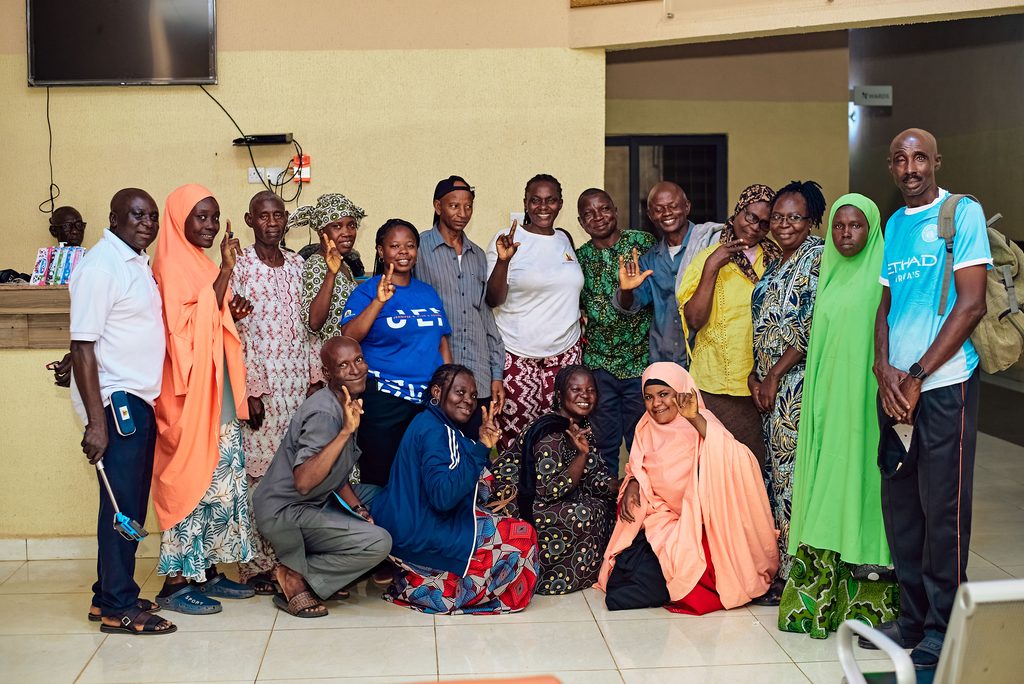
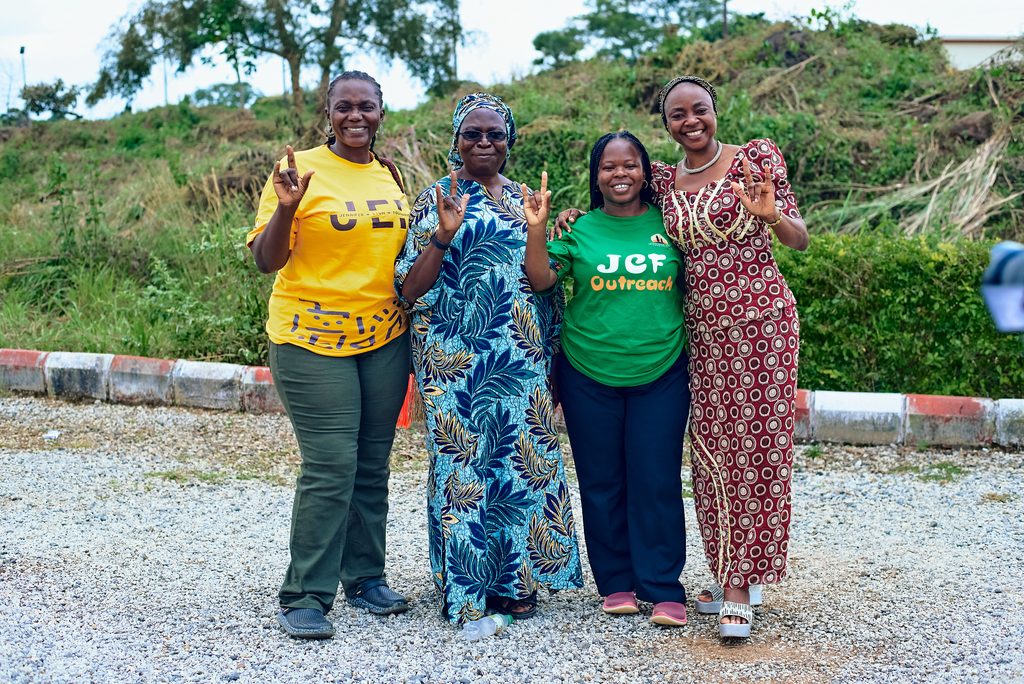
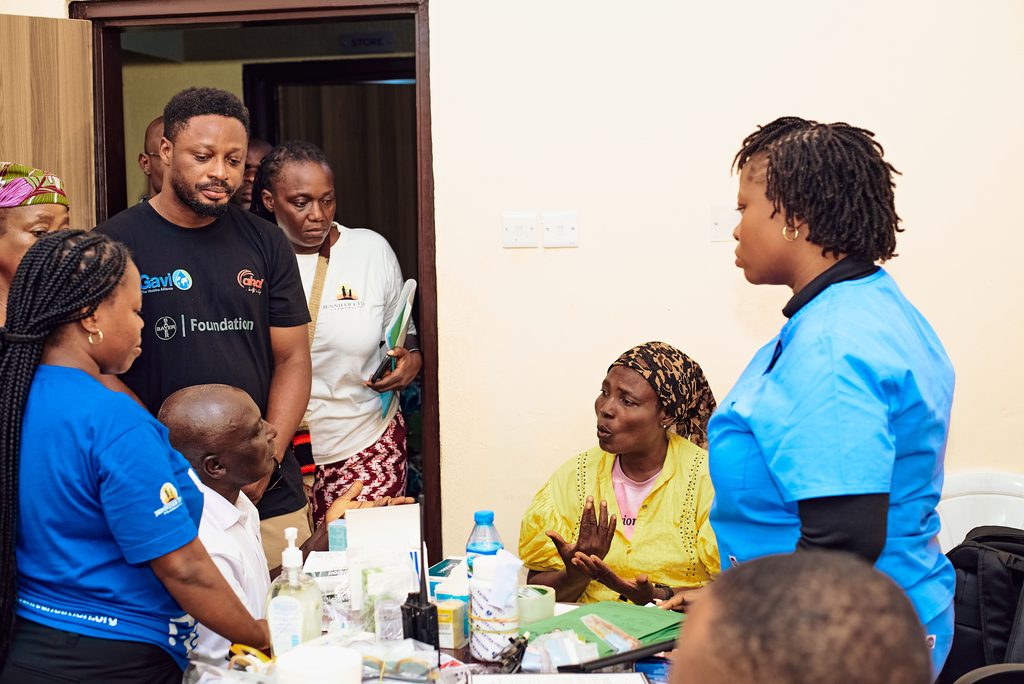
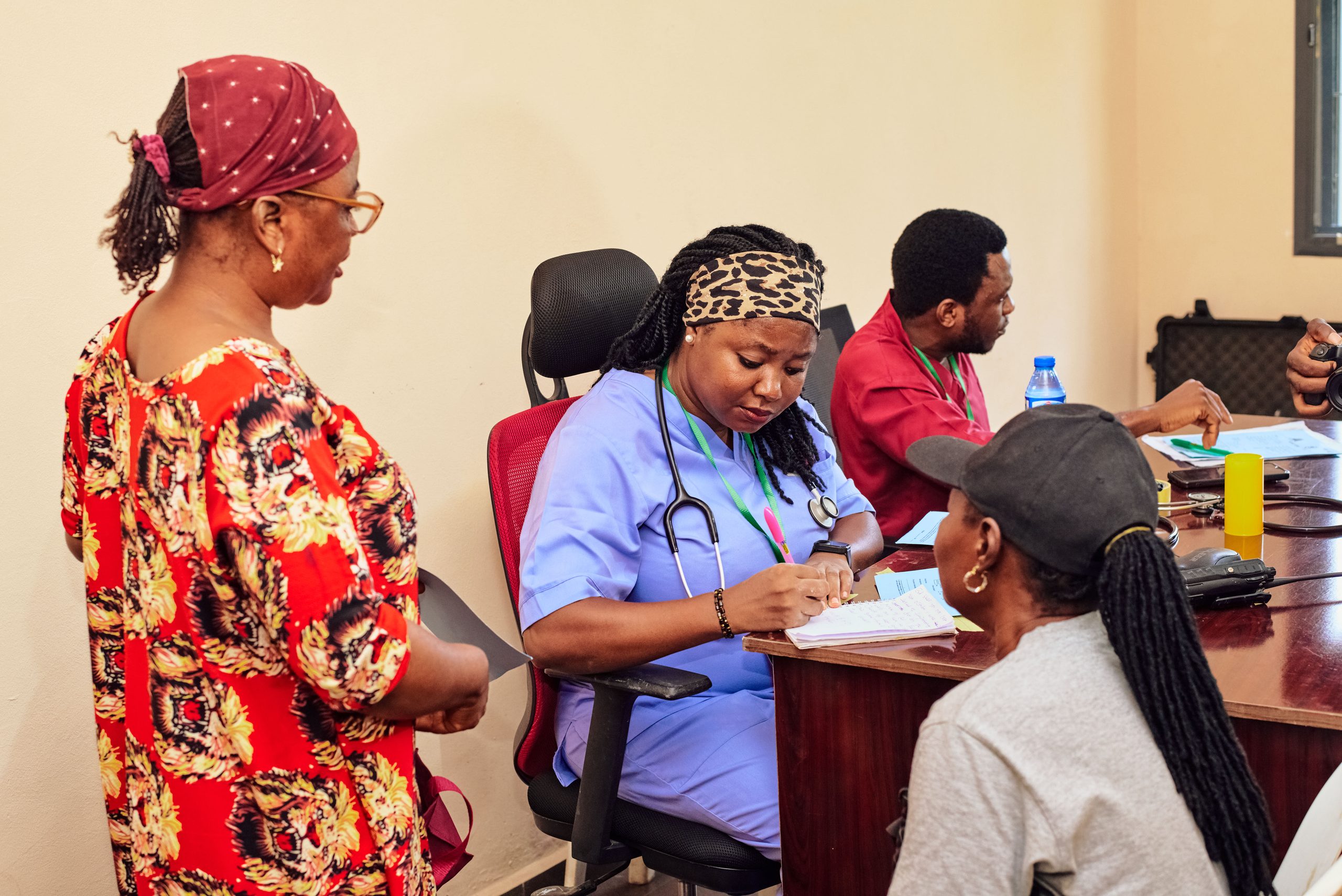
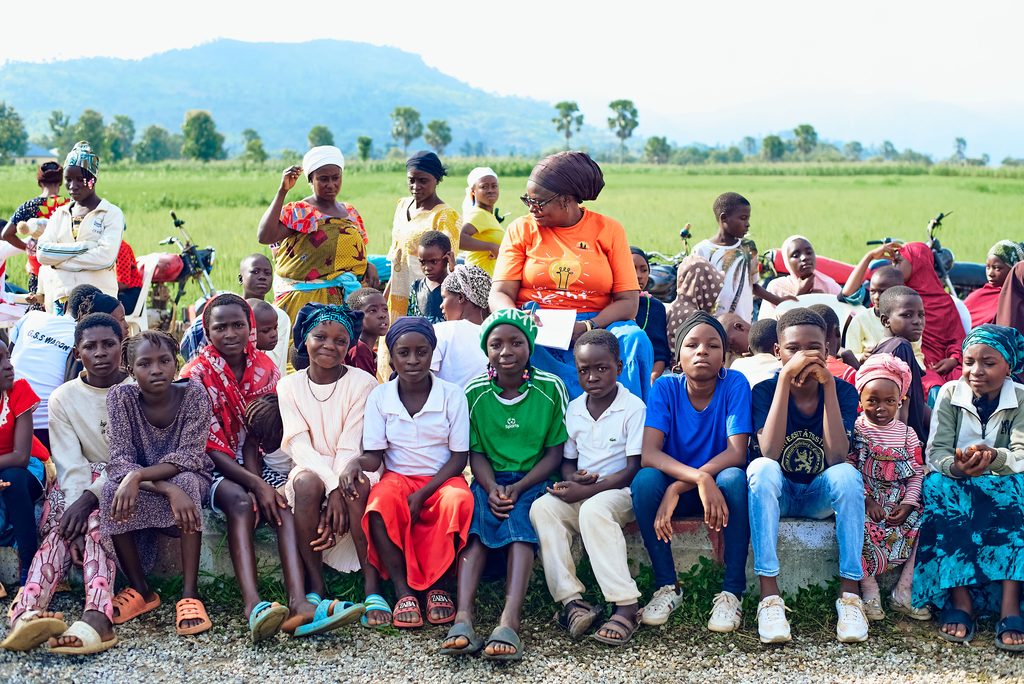
We could also talk about the families who travelled long distances, waited patiently, and showed up because they believed that help would be available. But one message stayed with us long before we packed our bags. It came from Josiah Saidu of Zonkwa, Zangon Kataf LGA. We will let his words speak for themselves:
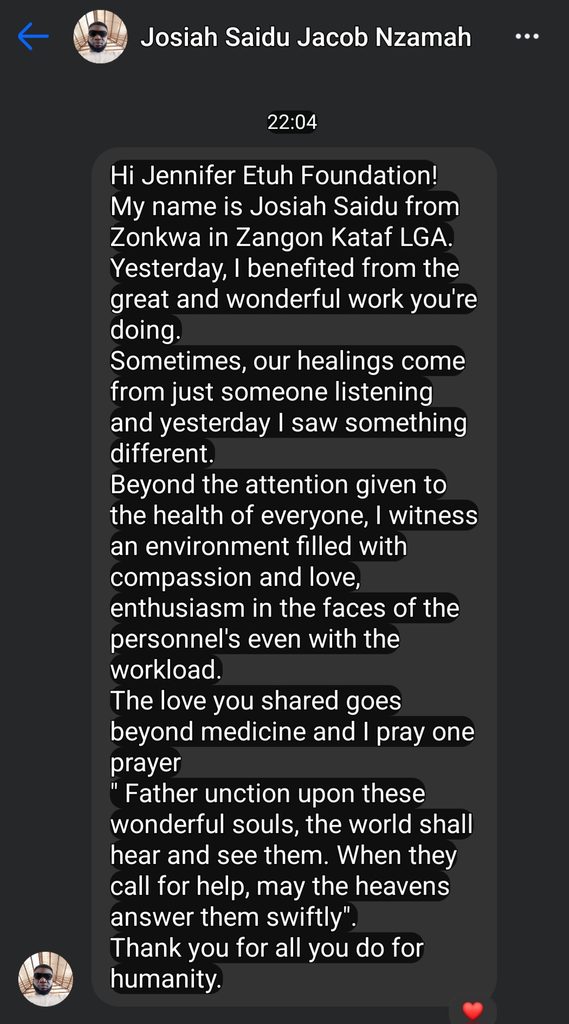
Josiah, your words remind us that while medicine can treat the body, compassion can touch something deeper. They remind us that dignity matters and the way we care for people can become part of the healing itself. Thank you for your testimonial.
Beyond The Numbers
When the last patient had left and we finally called it a wrap, we paused to take in what had happened. Our target was to reach 3,000 people yet we reached 4,634 people through 12,032 medical interventions. Behind these 4,634 people are thousands of individual experiences; the Anastasias, who kept trying, the Richards who faced their fears, the grandmothers who refused to give up hope, the nursing mothers whose hidden danger was discovered in time, and the Josiahs who reminded us that compassion is itself a form of service. These are the stories behind the statistics. They are the reason why we count, not to reduce people to numbers, but to understand the reach of every opportunity provided.
Jennifer Etuh Foundation and our dear partner Pro-Health International have a shared belief; access to healthcare should never be determined by where someone lives or what they can afford. We believe that when people come to us for care, they deserve more than treatment; they deserve to be seen, heard, and treated with dignity. Mallagum-Kagoro gave us 4,634 reasons to be grateful, it also gave us 12,032 reminders of why we must keep showing up. So, even as we hold these memories close, we are already looking ahead.
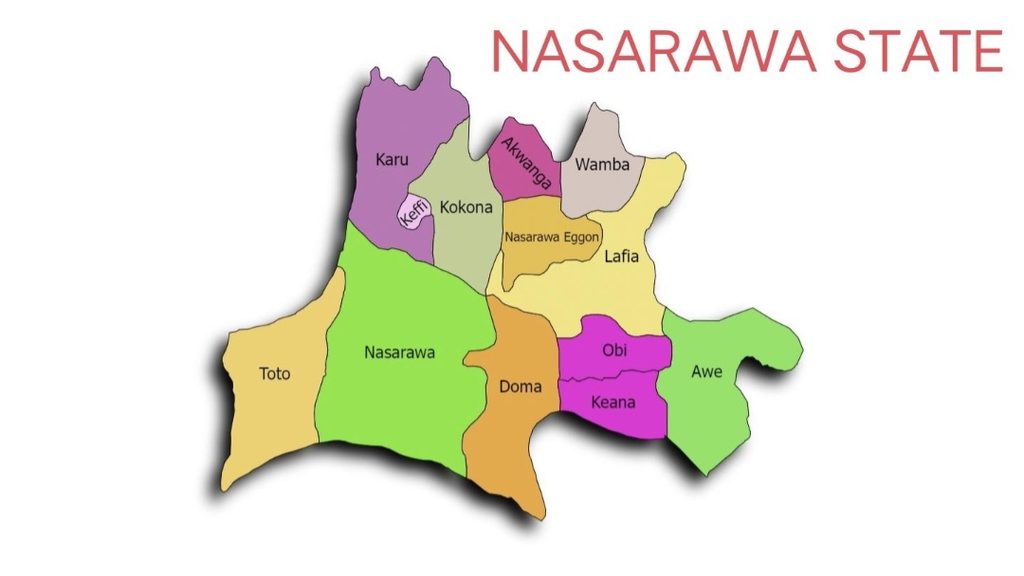
Nasarawa State is next. Another community. Another opportunity to serve. Another chapter in a story we are privileged to write not for ourselves, but alongside the people we serve. Because sometimes, hope needs a helping hand and sometimes, all it takes is one encounter to help someone believe in tomorrow again.