What happens when a woman who had no source of independent income learns a skill, learns to turn her skill into a business, is equipped with the resources to put her knowledge into practice, is connected to support systems to help her thrive, and is given opportunities to build a sustainable livelihood?
These questions found their answers when the 3,113 women who enrolled in the Kaduna Women Economic Empowerment (WEE) Programme began to transform the economic trajectory of their families and communities. The 3-year programme, which began in 2024, began with a shared vision: to strengthen the economic capacity of women and families in Kaduna state through practical skills development, agricultural empowerment, and access to healthcare.
Collaboration: The Currency That Assures Lasting Impact
As a Foundation, collaboration is central to our approach to development. We understand that no single organisation can address the complex challenges that keep families trapped in cycles of economic vulnerability: agriculture, vocational training, access to finance, market opportunities, healthcare, and social support are interconnected. Addressing them effectively requires bringing together different yet complementary areas of expertise, resources, and institutional strengths to advance the shared vision. As a result, we worked alongside COAMANA, AFEX, Advantage Health Africa (AHA) and Healthy Entrepreneurs, to deliver an integrated intervention that recognised the relationship between health, productivity, and economic wellbeing.
This is one of the most distinctive features of the Kaduna WEE Programme. Funded by Bayer Foundation, our health-and-agriculture empowerment model was built around a simple but often overlooked reality: farmers’ health is directly connected to their productivity and earning power. A farmer who is unwell and cannot access affordable healthcare may struggle to maintain consistent agricultural activities, and when they are unable to generate sufficient income, they may struggle to afford healthcare when the need arises. Given how interconnected these challenges are, addressing one without considering the other leaves important gaps. Thus, through our collaborative model, our agricultural partners such as COAMANA and AFEX supported farmers with the knowledge and opportunities to improve production and earning, while our healthcare partners such as AHA and Healthy Entrepreneurs improved access to affordable health services. This relationship created a reinforcing cycle:
healthy farmers = better work + income, and
increased income = greater ability to afford healthcare, meet needs, maintain households, and invest in the future.
This goes to show that whenhealth and skill acquisition work together, empowerment becomes more than an economic intervention; it becomes an investment in overall family wellbeing.
Turning Knowledge Into Capacity: A Vision Built Around the Family
One of the defining features of the Kaduna WEE Programme was its emphasis on practical learning because we recognised that attending training sessions and understanding concepts are not necessarily the same as possessing the confidence, resources, and support systems to put those concepts into practice and improve the circumstances of the trainees long after the intervention has ended.
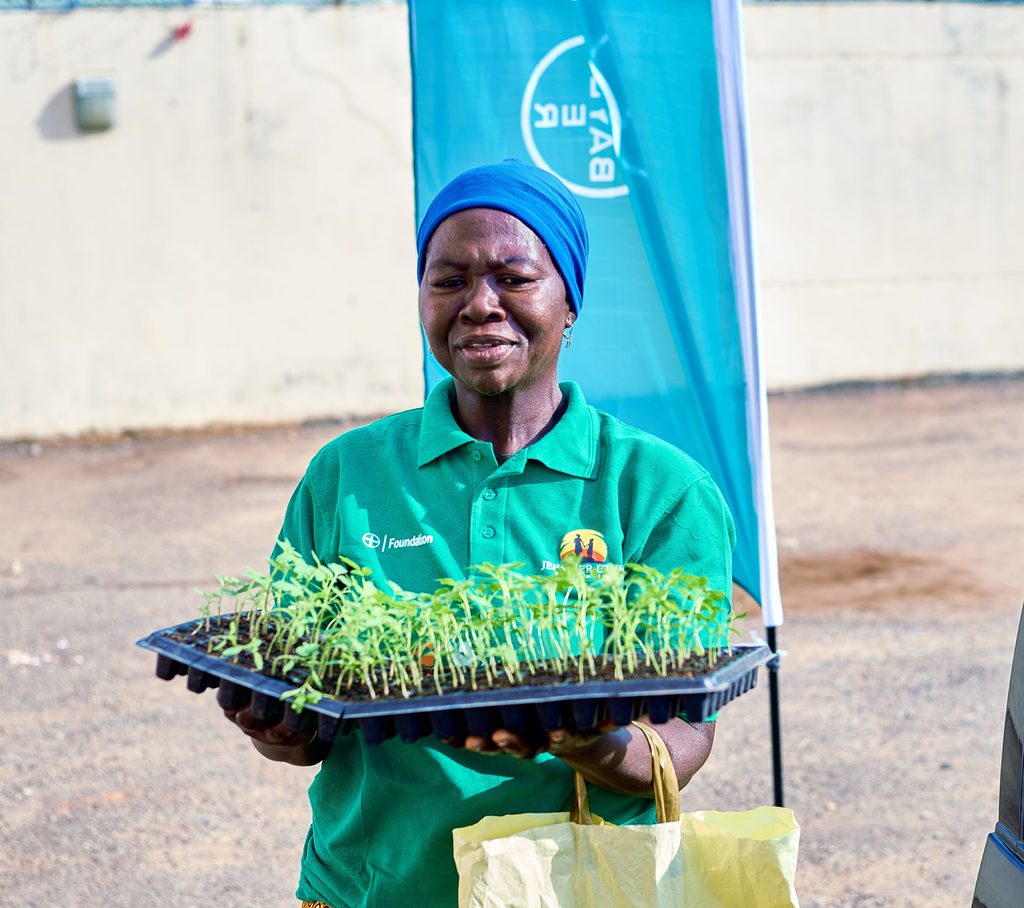
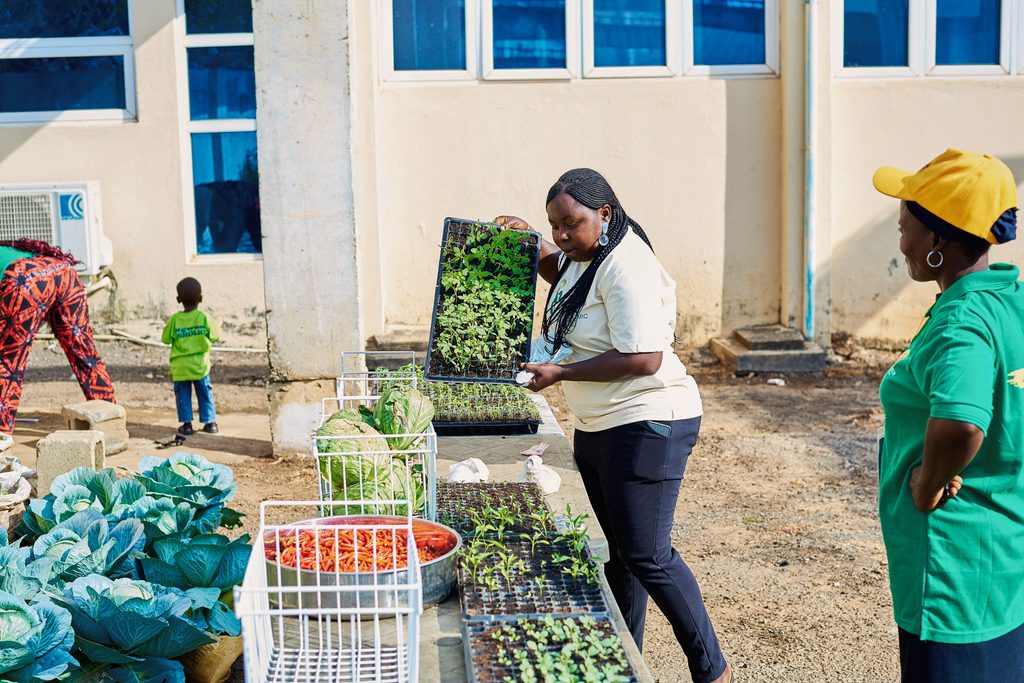
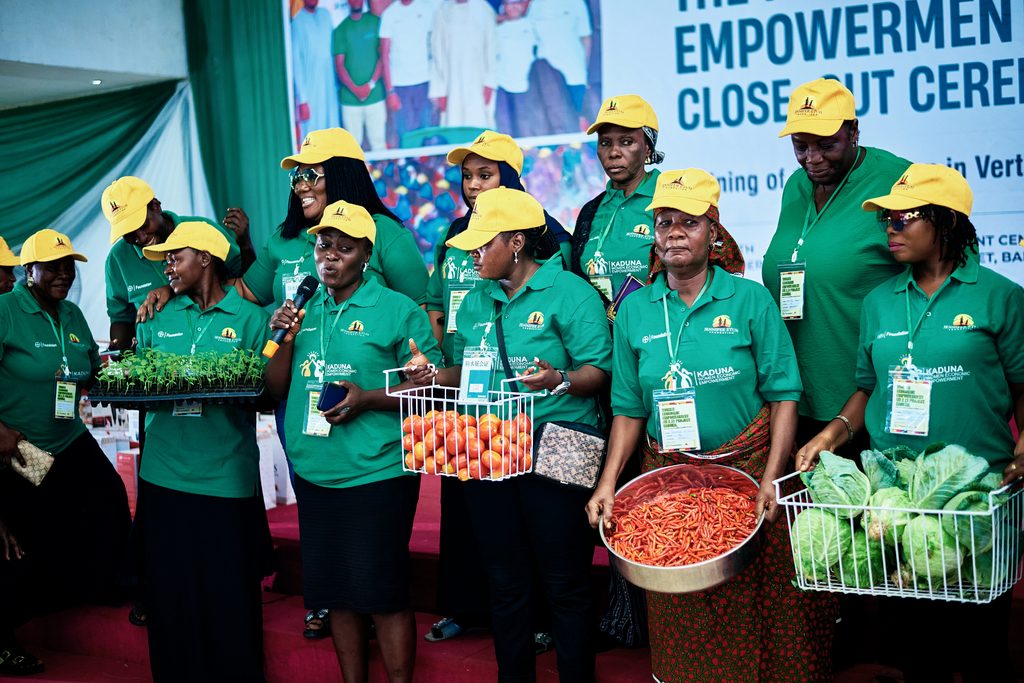
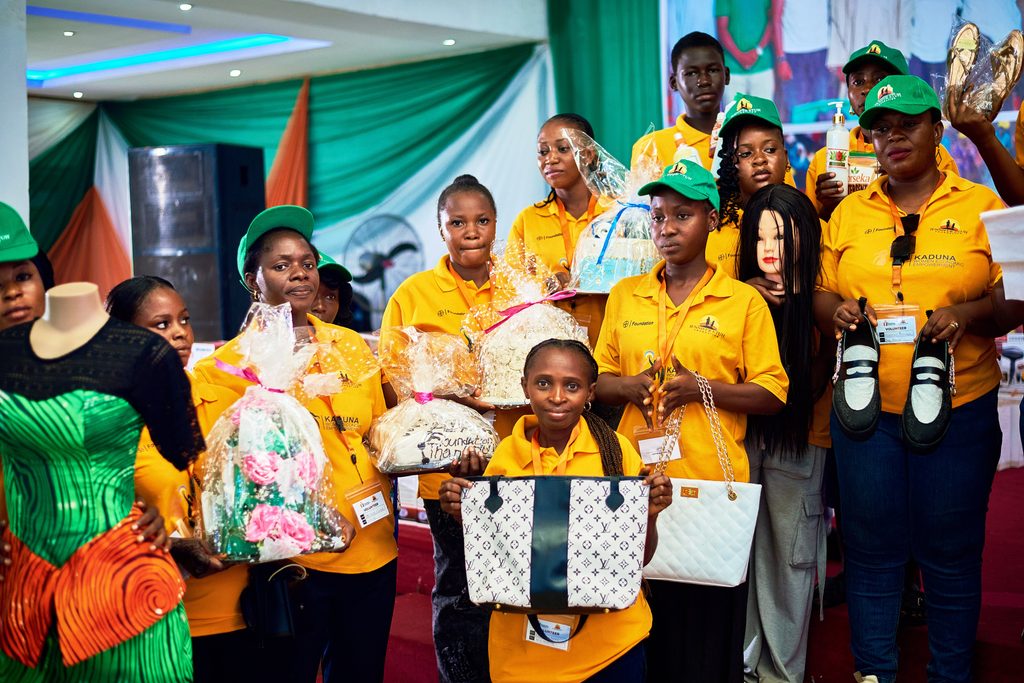
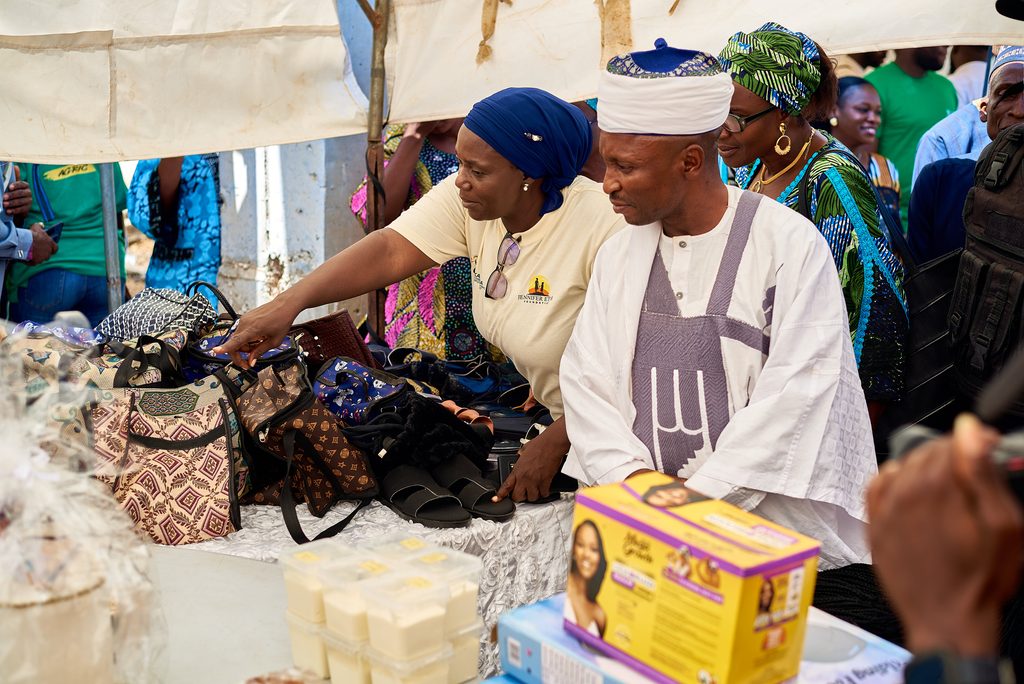
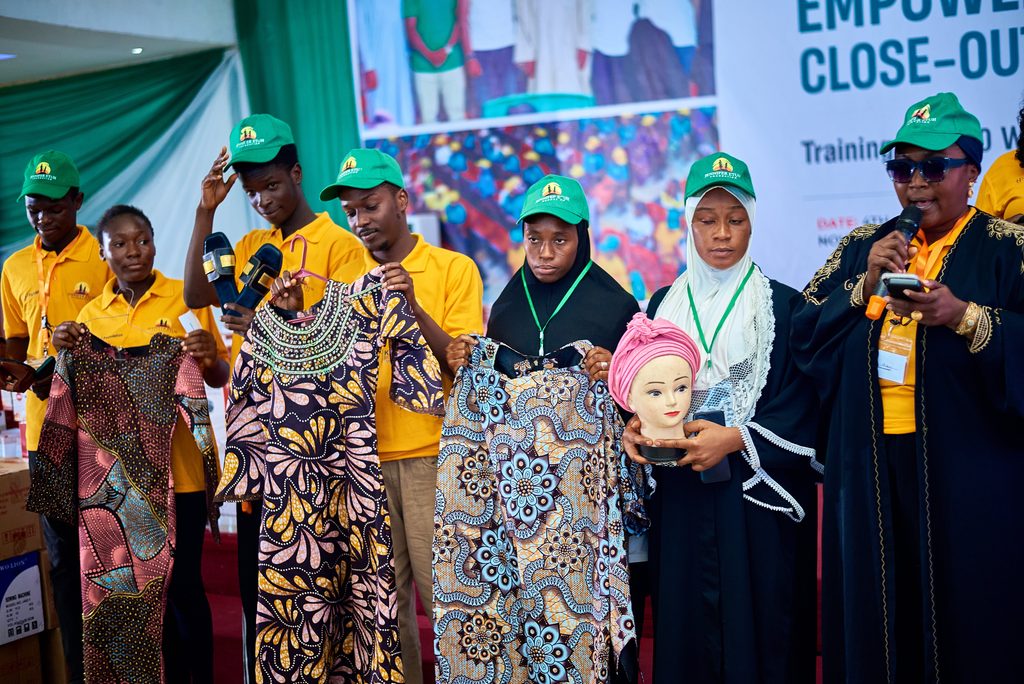
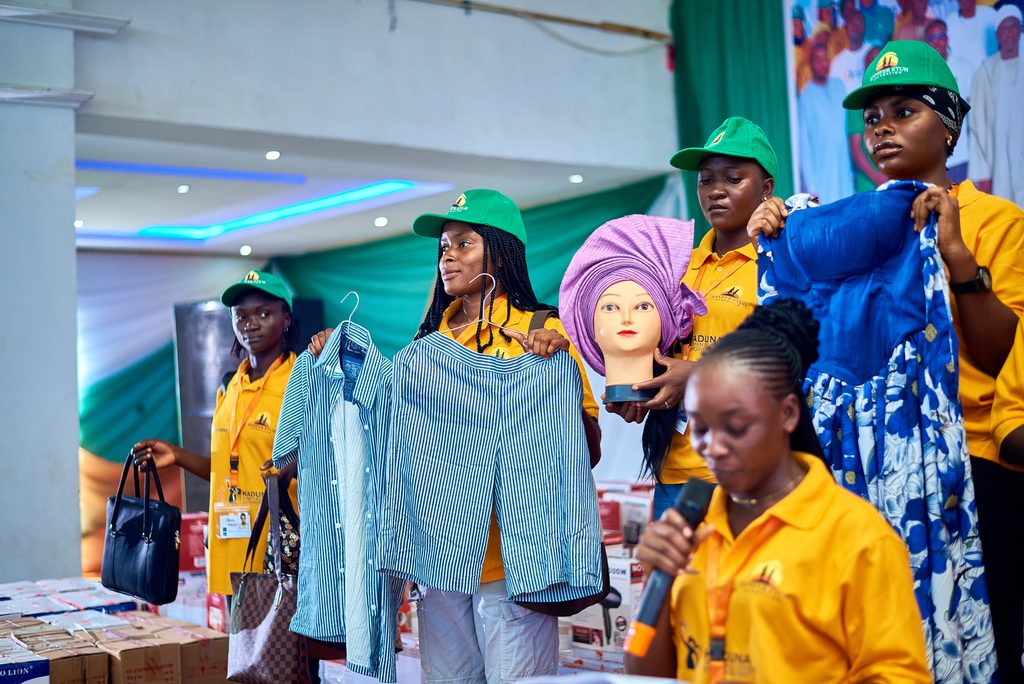
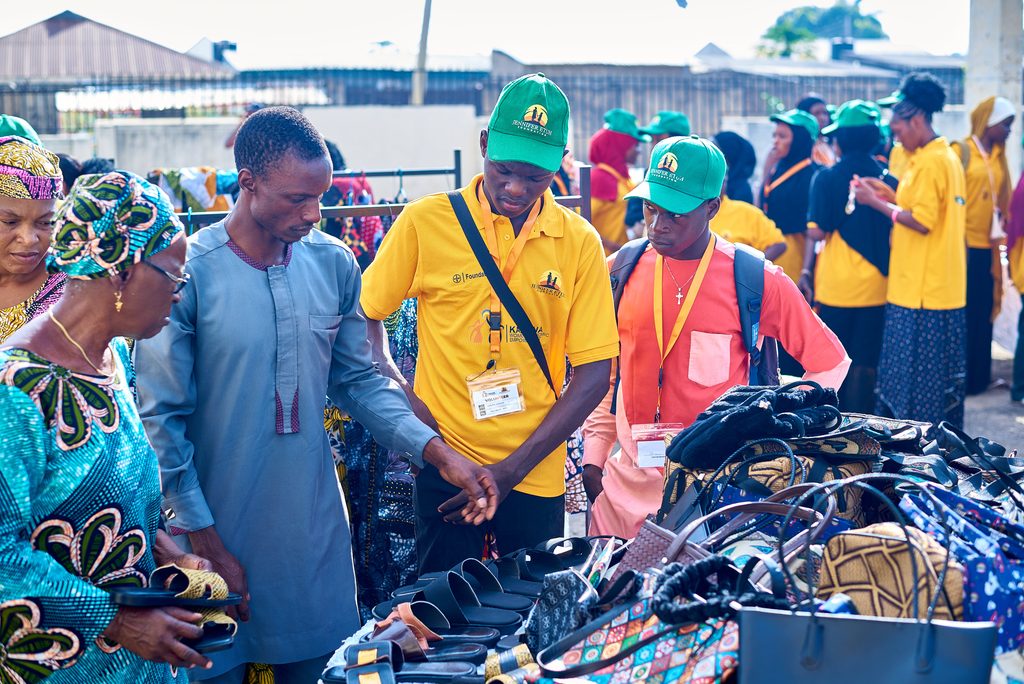
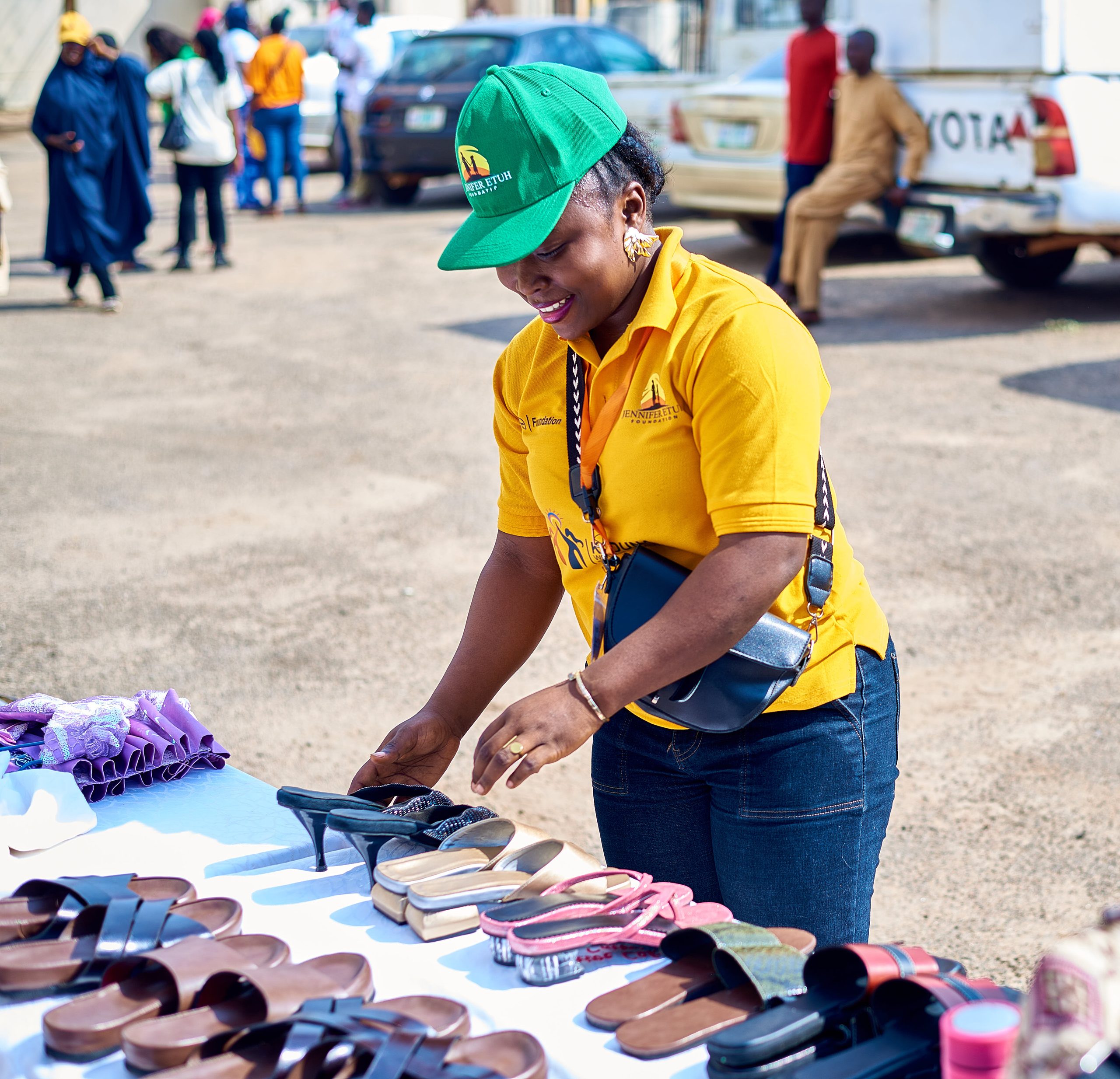
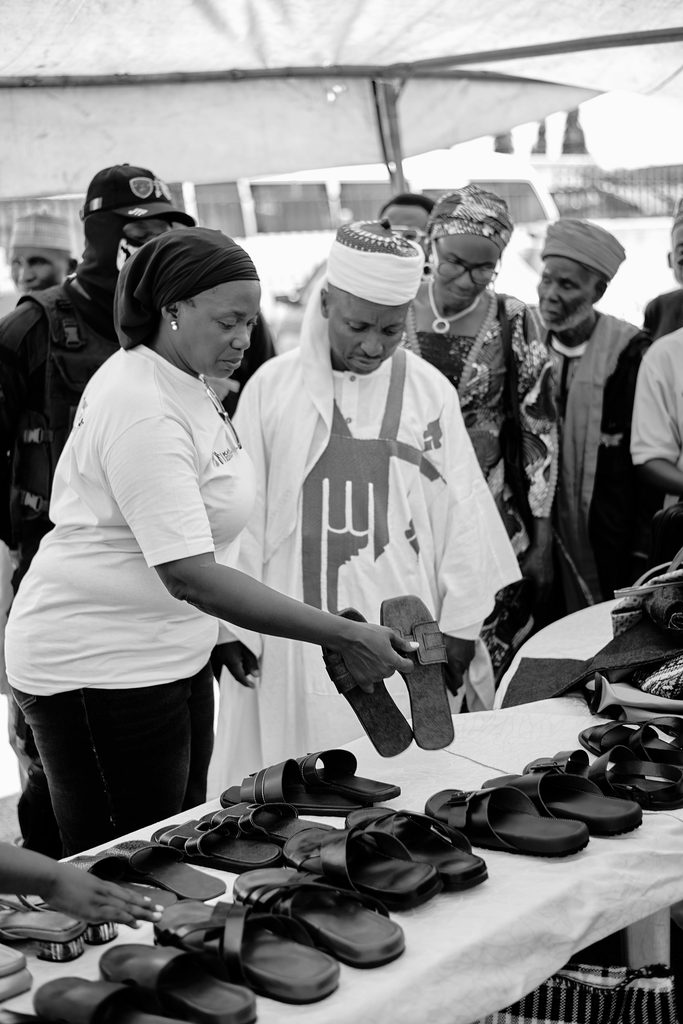
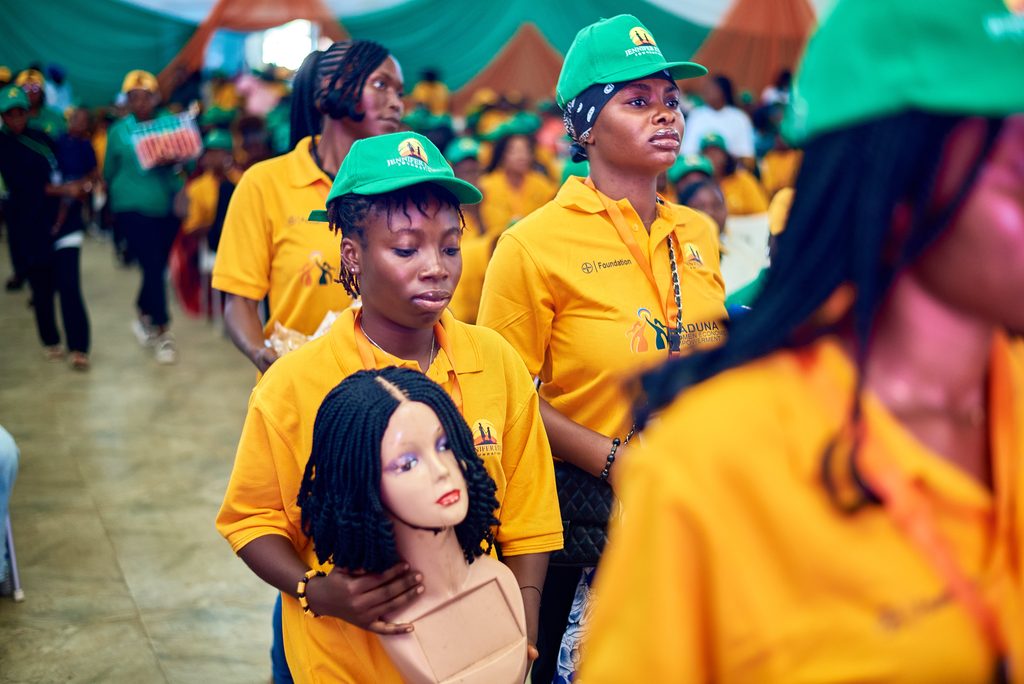
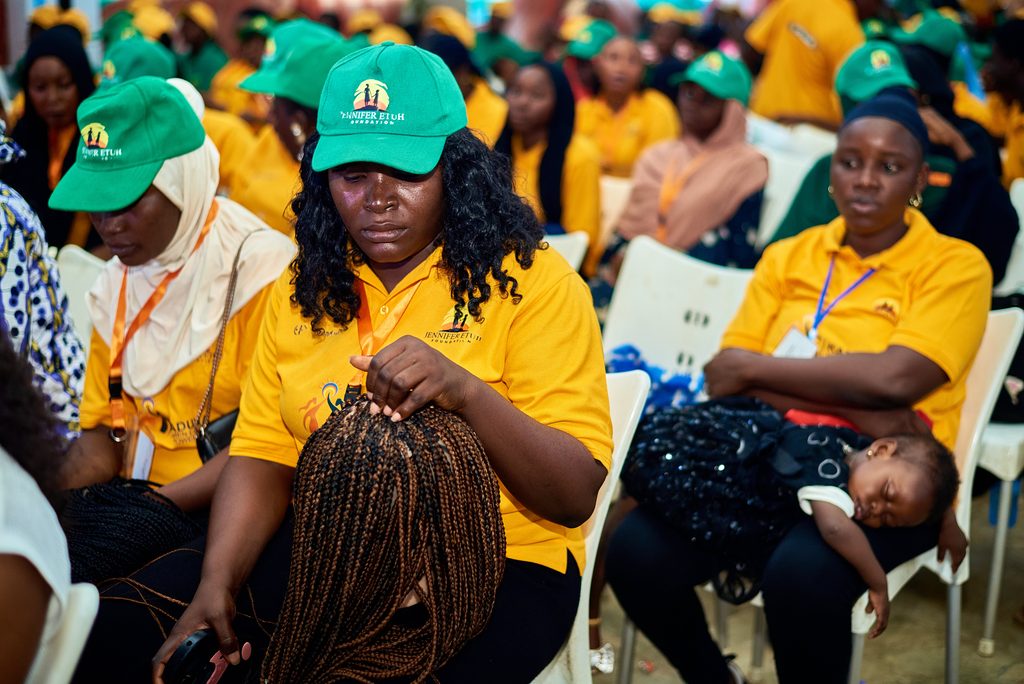
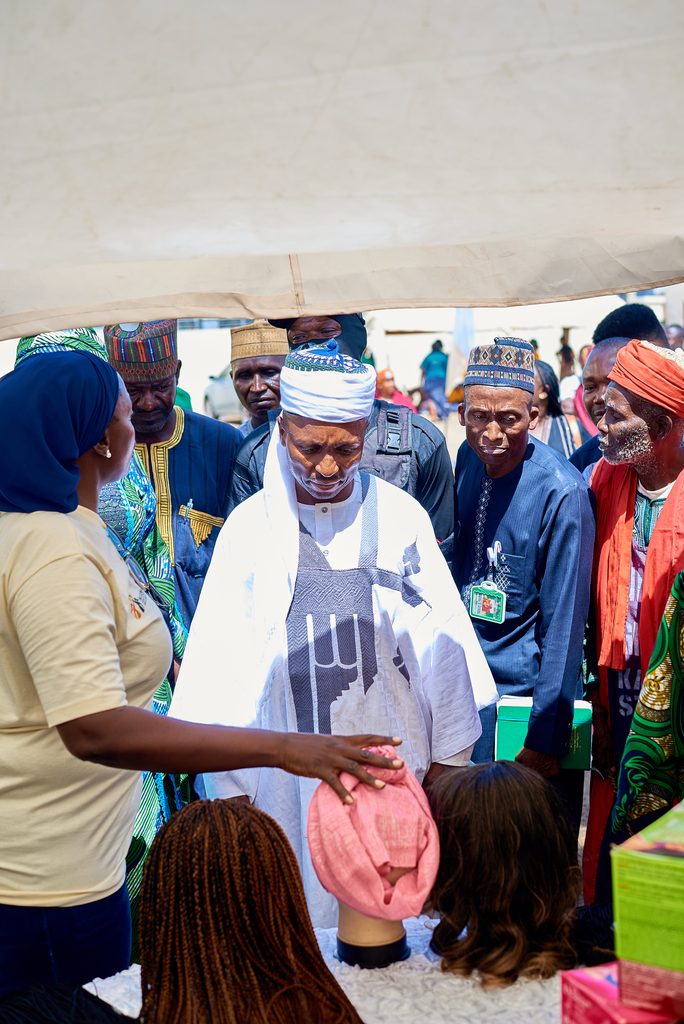
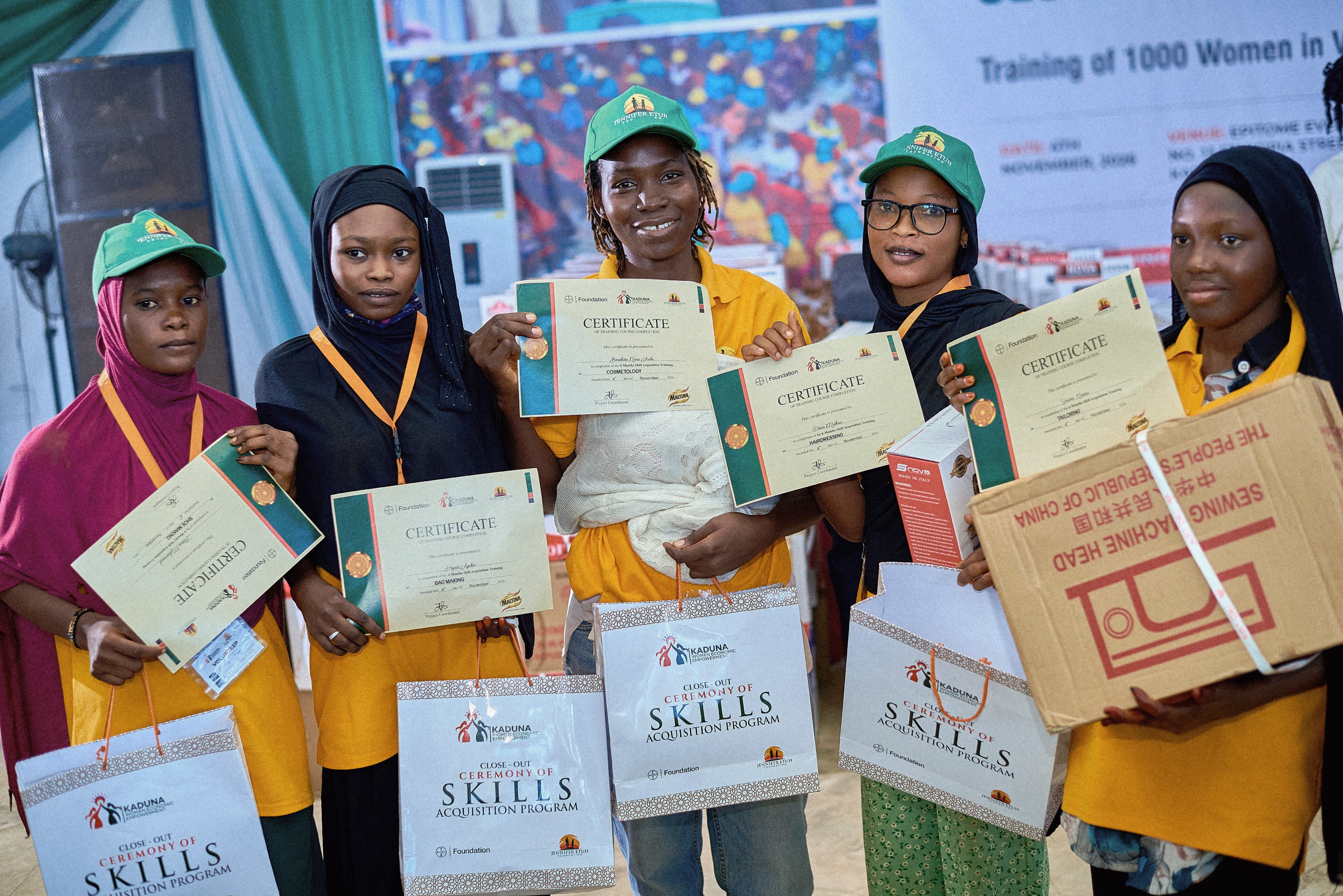
This thinking informed the design of the programme around a family-centred approach which targeted two people from each participating family: one for skills acquisition and the other for vertical sack farming. For six months, each cohort was a deep dive that provided hands-on training where we incorporated demonstration farms with step-by-step guides and techniques for cultivating vegetables like tomatoes, chili pepper, cabbage, etc. Participants were also supported with essential agricultural inputs including seeds, cocoa peat, pittmoss, seedling trays, pesticides, and herbicides. The same principle guided the vocational training where trainees learnt skills such as tailoring, cosmetology, hairdressing, bag making, shoe making, and catering.
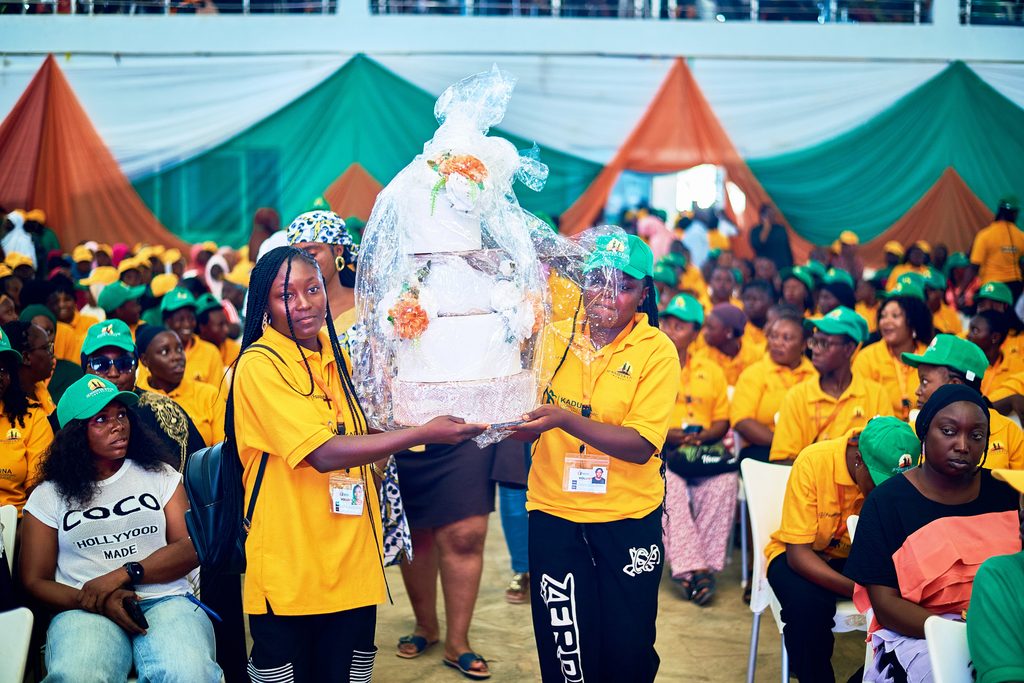
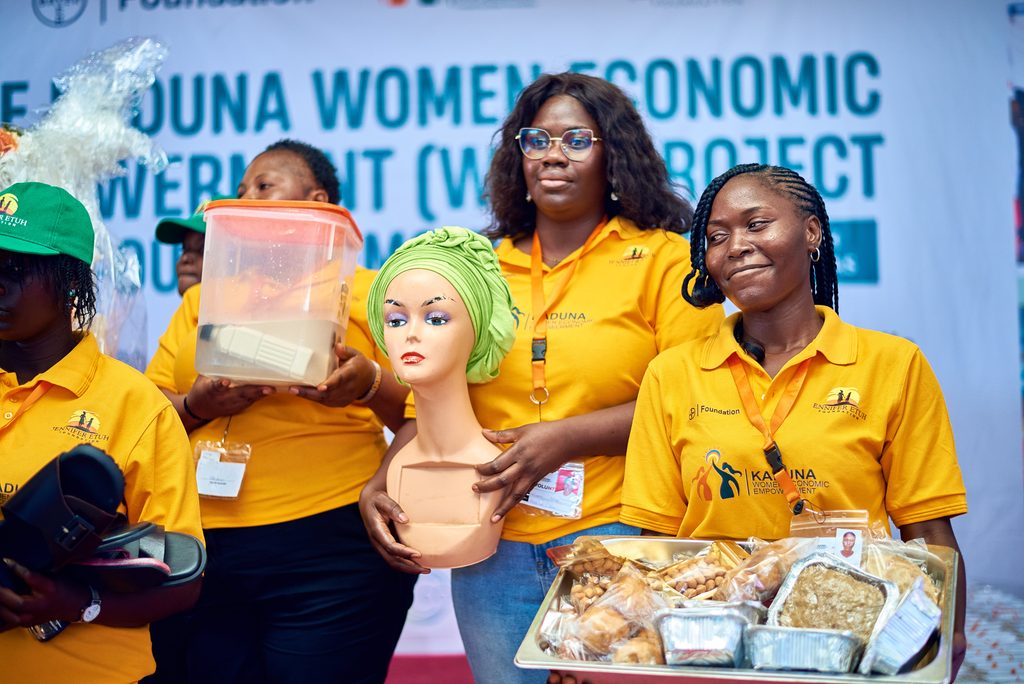
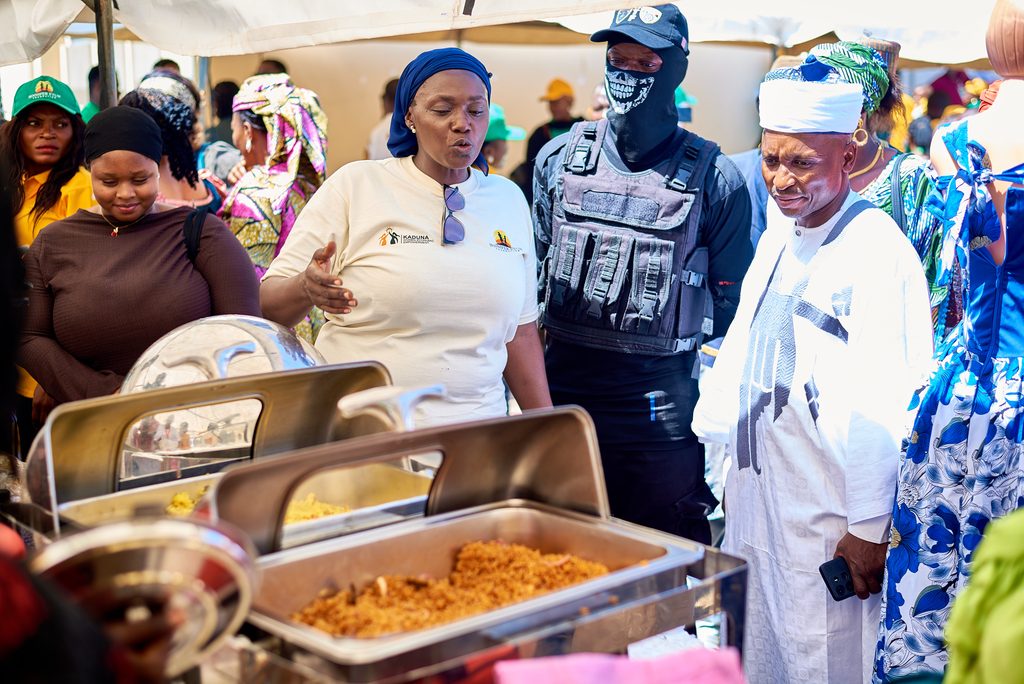
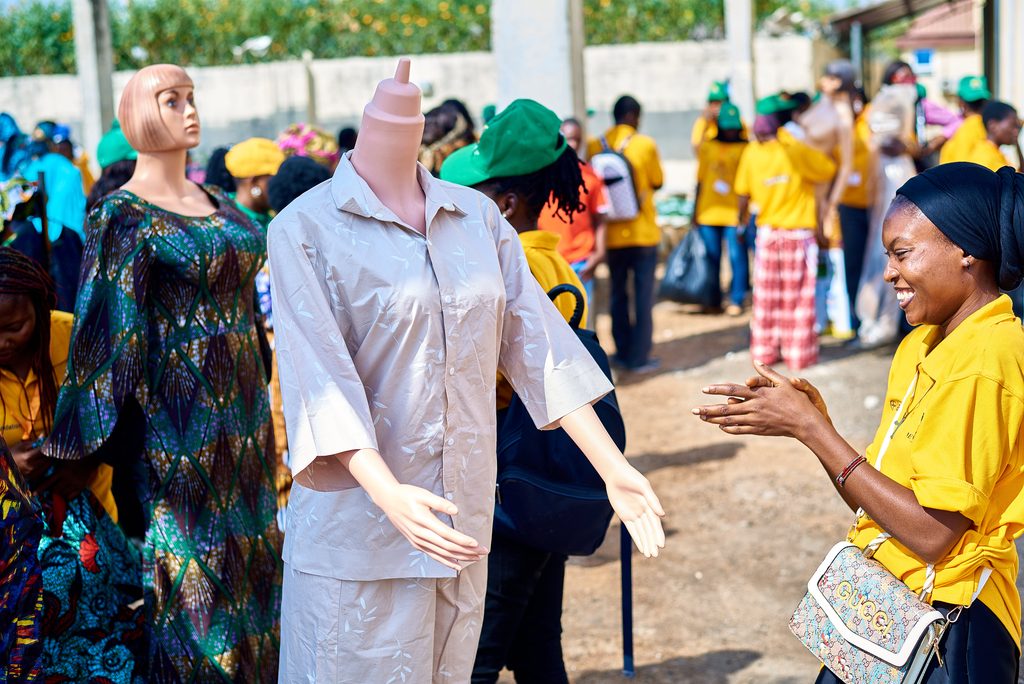
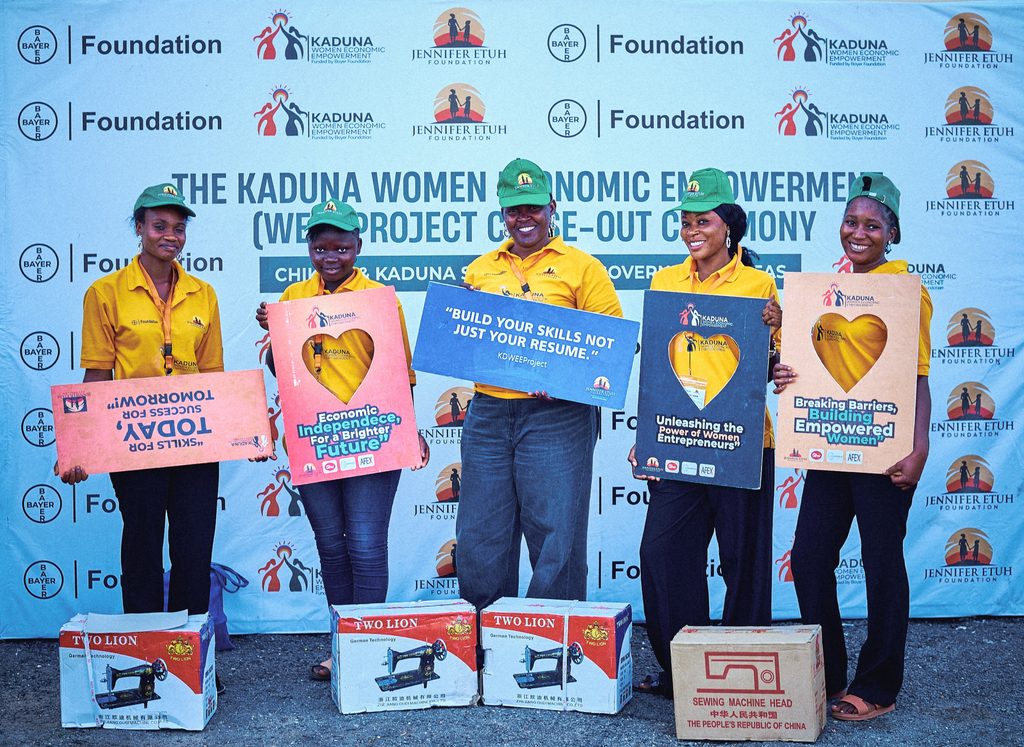
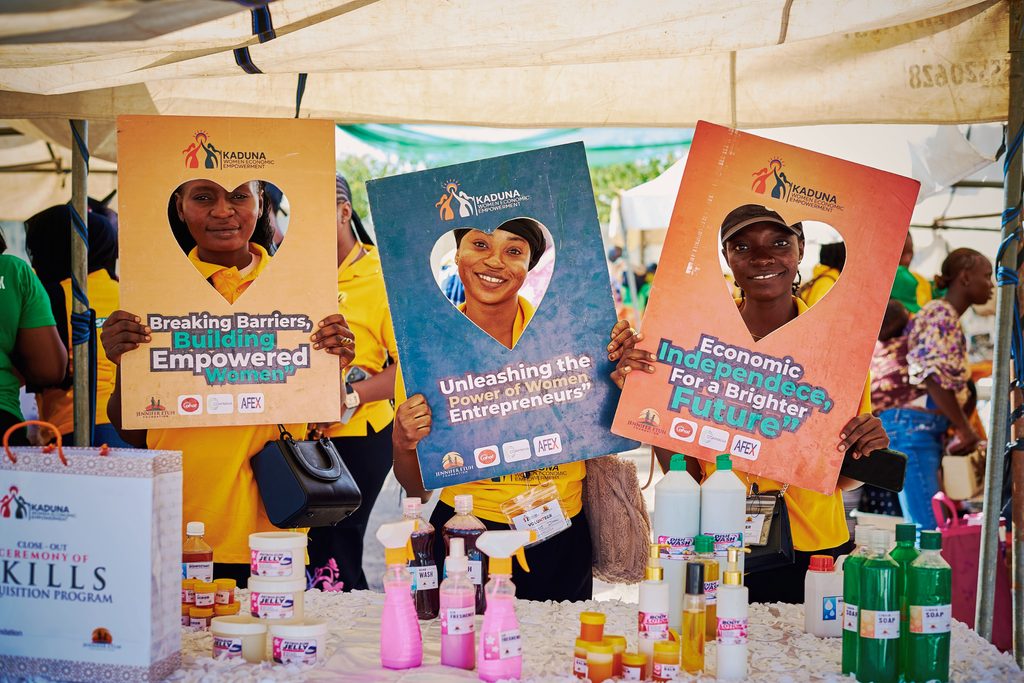
Three Years, Seven LGAs, 3,113 Stories of Possibility
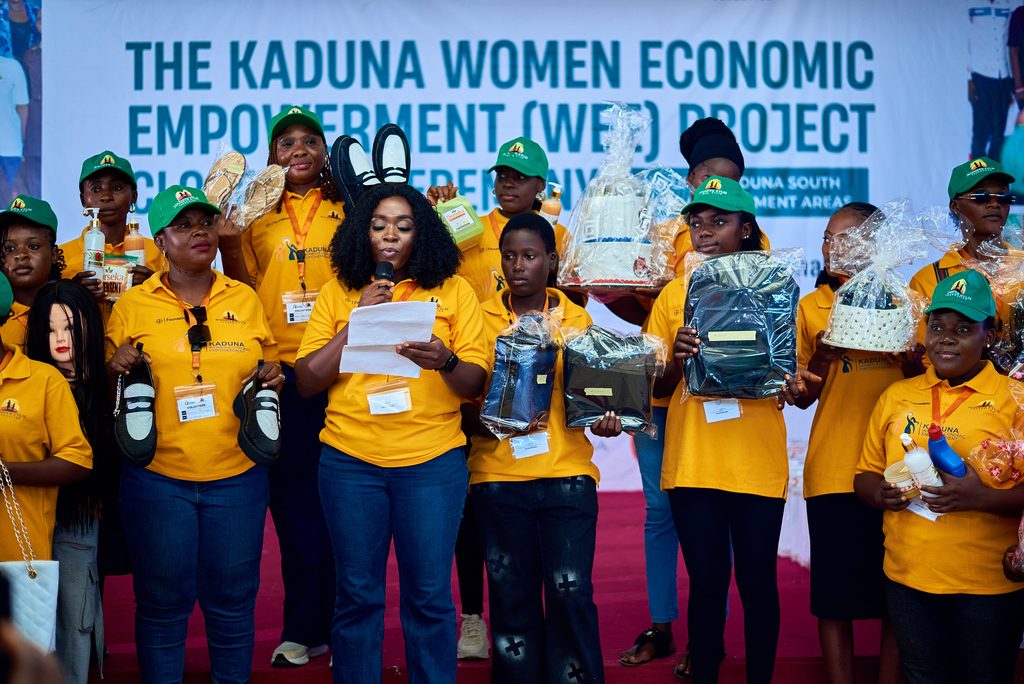
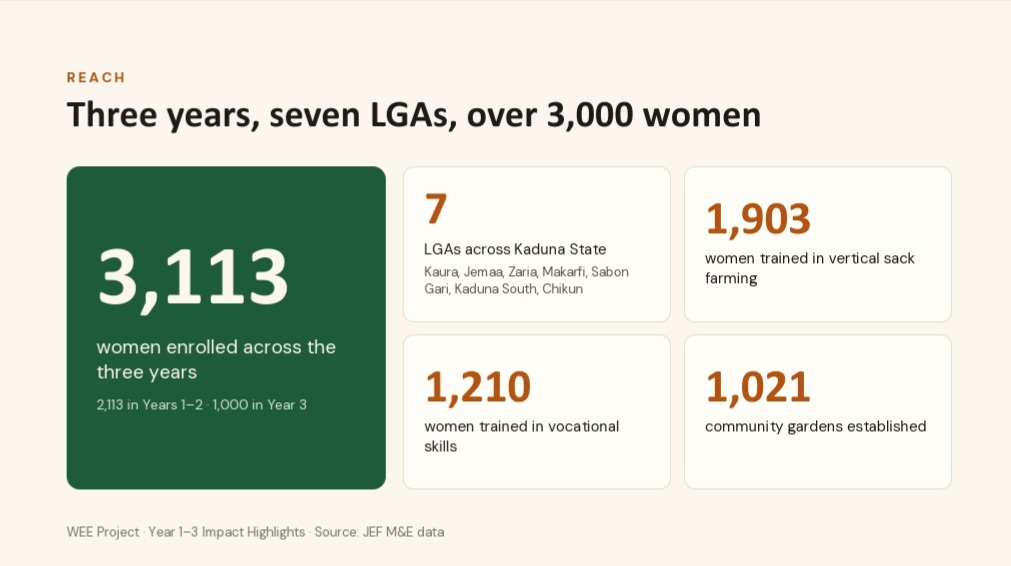
Between 2024 and 2026, the programme reached 3,113 beneficiaries across Jema’a, Kaura, Zaria, Makarfi, Sabon Gari, Chikun, and Kaduna South LGAs. Of these, 1,210 received training in vocational skills, while 1,903 participated in vertical sack farming. These trainings were designed to help participants move from learning to earning.
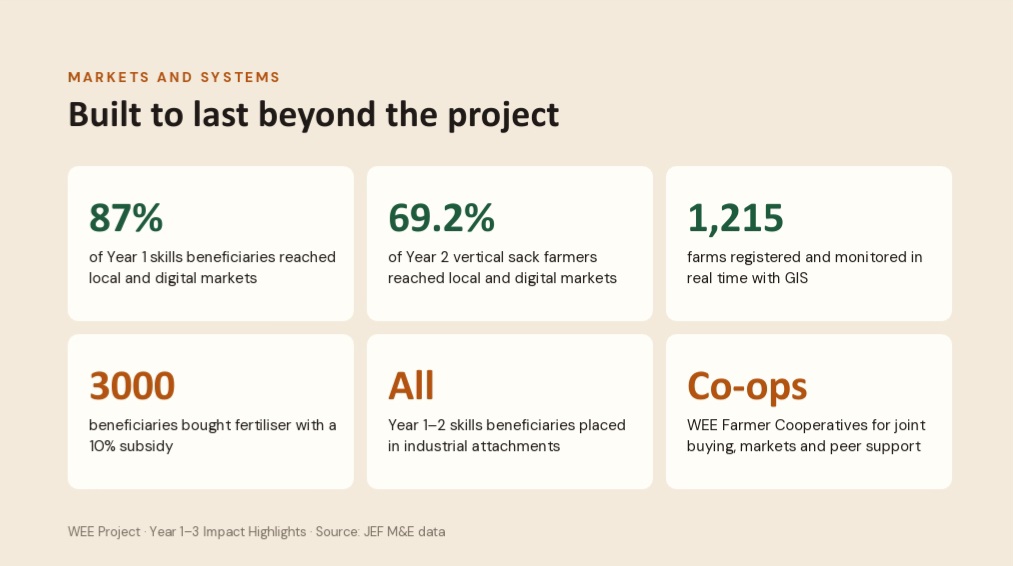
It is worthy of note that in Year 1, beneficiaries of the farming programme recorded a 97% increase in yields. Though the programme was targeted at women, in Year 2, 10% of the programme’s participants were men. In the same year, 69.2% of vertical sack farmers reached local and digital markets. By Year 3, 1,215 farms had been registered and were being monitored in real time. These feats made the closeout ceremony on November 4th, 2026, both exciting and rewarding. But the programme was never intended to end with a training certificate. Beneficiaries received starter packs and continued support to help them gain skill mastery. They were also organised into cooperatives, creating opportunities to access agricultural inputs and other support from the Kaduna State Government, JEF, and its partners.
A New Beginning
As the Kaduna WEE programme comes to a close, one testimony brings the heart of the past three years into sharp focus.
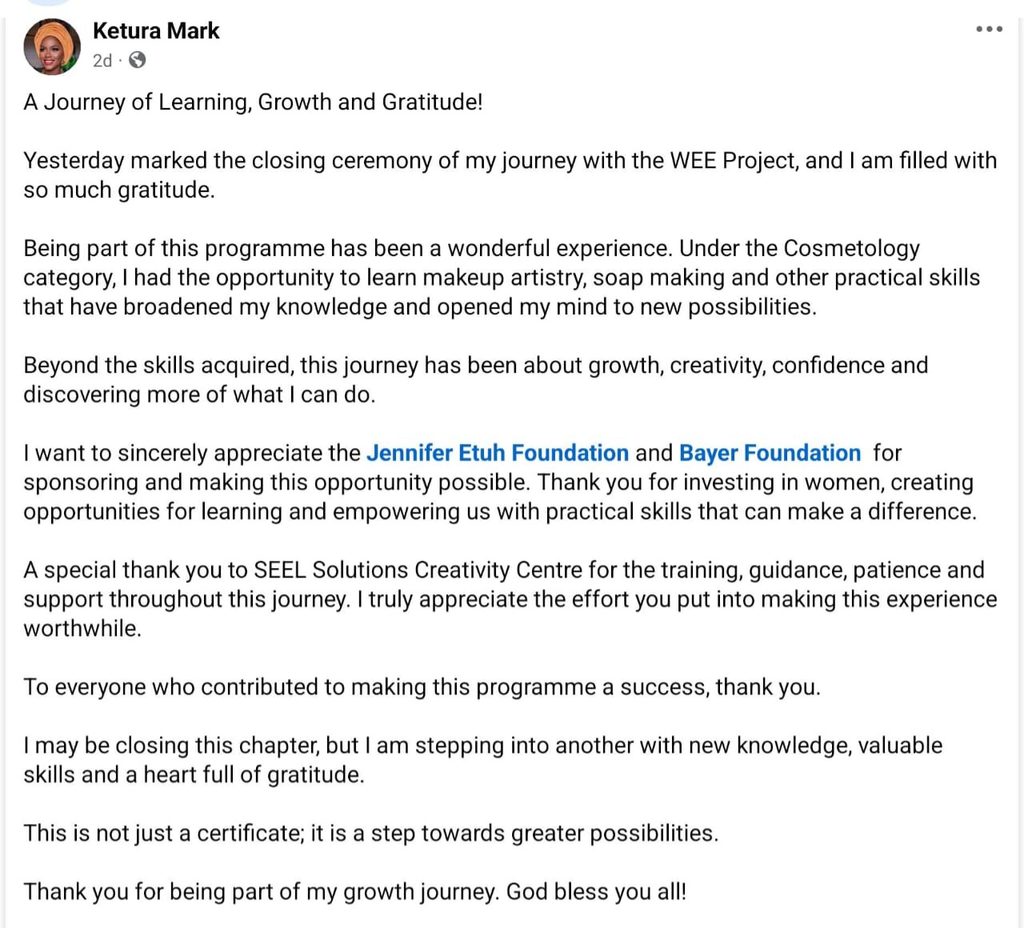
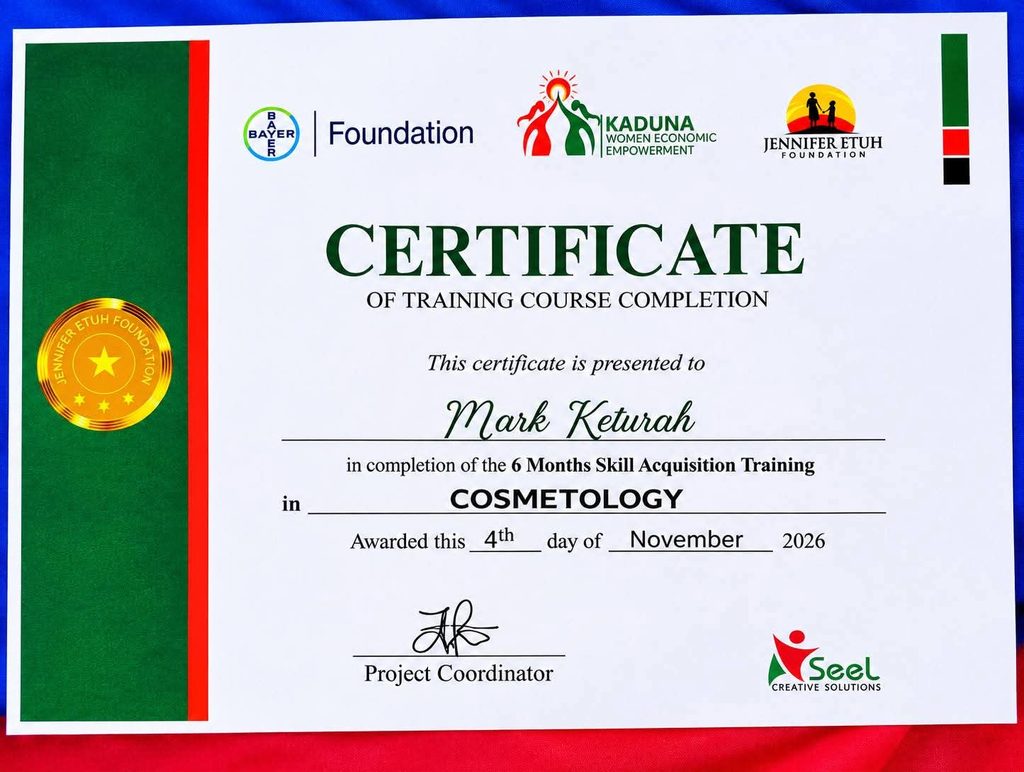
Ketura Mark captured the essence of the programme succinctly when she said, “This is not just a certificate; it is a step towards greater possibilities.”
We are excited because we’ve seen beneficiaries from Phase 1 and Phase 2 step towards greater possibilities by establishing businesses, becoming employers of labour, and reporting significant improvements in household income. In fact, farmers recorded an average income increase of over 32%; 75% – 84% of farmers report a higher yield; 79% – 82% of skills beneficiaries now earn an active income; and 89.3% of Year 2 vocational skills participants have more say in household decisions. Furthermore, some beneficiaries in Phase 3 have also started earning from their newly acquired skills.
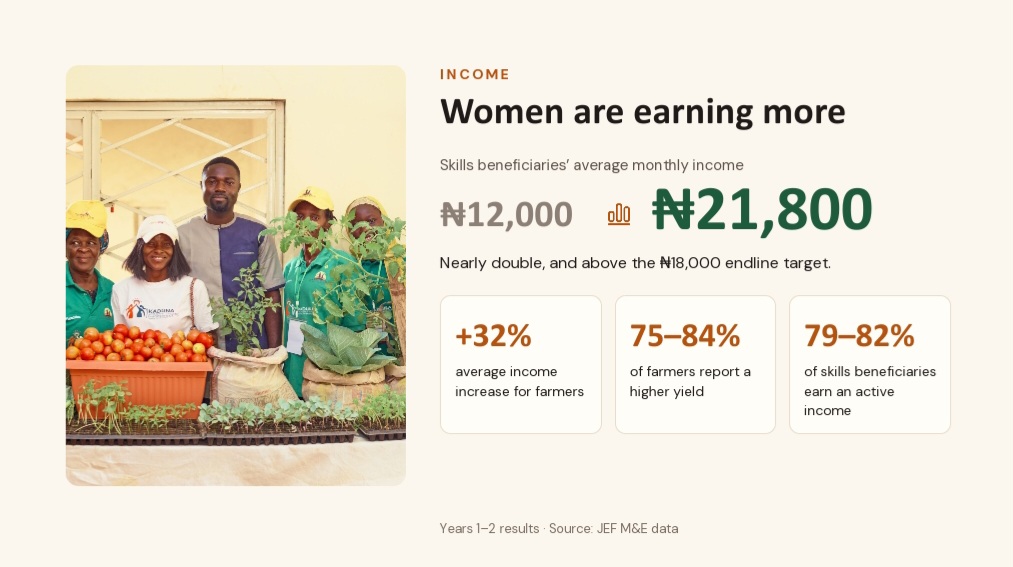
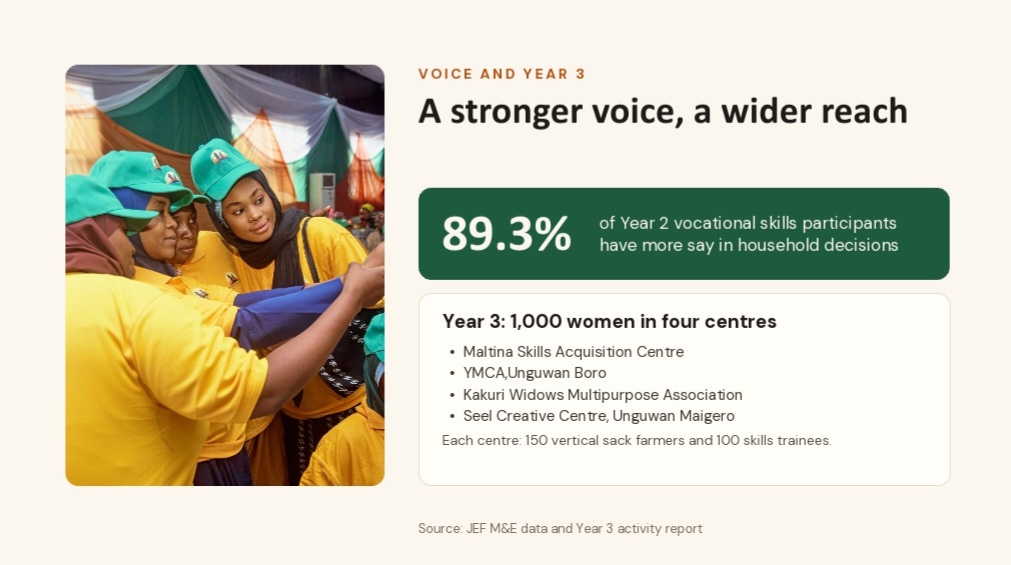
This proves two things. First, this is more than training; it is an investment in people, the possibilities they can create, and the futures they can build. Second, it validates the maxim: “When you empower a woman, you empower the nation.”
This is the promise behind the Kaduna Women Economic Empowerment Programme, and it is the conviction that continues to guide Jennifer Etuh Foundation:
People First, Impact Always.