Africa’s development challenges are not isolated problems waiting for isolated solutions. They bear an undeniable truth: no single organisation, government agency, donor, or institution can solve its deeply rooted societal challenges alone. To begin with, Africa’s realities are far too interconnected for isolated solutions: poor healthcare affects education, unemployment influences insecurity, weak infrastructure deepens inequality, food insecurity impacts child development, and climate shocks disrupt livelihoods.
The Future of Development in Africa Is Collaborative
As such, the future of sustainable development in Africa will not be shaped by isolated efforts. It will be shaped by ecosystems of collaboration: governments working with communities, nonprofits partnering with the private sector, faith-based organisations joining forces with healthcare providers, and local leaders co-creating solutions with development institutions. This ties in with the United Nations Sustainable Development Goal 17 which enshrines partnership as the backbone of global progress, calling for multi-stakeholder collaboration to mobilize knowledge, technology, and financing for sustainable development. Globally, the investment gap for the SDGs now stands at USD 4 trillion annually, 60% higher than what was estimated in 2019 making it clearer than ever that public funding alone will never close this gap.
Africa’s Challenges Demand Systems Thinking
Development challenges rarely exist in isolation. A mother battling a preventable illness does not face a single problem: she navigates poverty, food insecurity, the cost of transportation to a health facility, and the risk of her children falling behind in school while she is sick. A rural farmer does not simply need seeds; he needs market access, credit, climate information, and healthcare nearby. This interconnectedness demands what experts often describe as systems thinking: an approach that recognises that social problems are linked together and, therefore, require coordinated, multi-sector solutions.
The OECD’s framework on systems approaches to public sector challenges is clear: fragmented interventions reduce effectiveness, duplicate effort, and are rarely sustainable. Collaborative systems, by contrast, improve resilience, scale, and long-term impact as no single organisation possesses all the tools required to solve the dimensions of Africa’s societal challenges. NGOs may understand grassroots mobilisation but lack large-scale funding. Governments may have policy influence but require community trust and implementation partners. Faith-based organisations may have extensive grassroots reach but need technical expertise. Private sector organisations may bring innovation, operational efficiency, and financing but require community access. Academic institutions may provide evidence and research rigour but require financing. When these capabilities converge around a shared purpose, development does not just improve, it transforms as cross-sector partnerships allow organisations to
- Pool resources
- Leverage expertise
- Deepen community trust
- Accelerate innovation
- Reduce cost
- Expand reach and scale
- Improve sustainability
Most importantly, communities receive more holistic and effective support as a result.
Why Cross-Sector Partnerships Matter More Than Ever
It goes without saying that the future of African development depends on cross-sector partnerships. Here’s why:
Partnerships Build Community Trust
One of the most underestimated facts in development is that trust is infrastructure. Communities are more likely to embrace interventions when trusted local institutions are involved. This is where faith-based organisations, traditional institutions, grassroots leaders, and local associations play a critical role. In many African communities, these institutions possess a longstanding credibility that external organisations may not immediately have. Lending its voice to this, the World Health Organization has documented that faith-based organisations deliver a significant share of healthcare services across Sub-Saharan Africa, precisely because of the trust they have cultivated over generations.
Partnerships Expand Reach and Scale
Many organisations carry extraordinary visions but are constrained by geography, funding cycles, or limited manpower. Strategic partnerships bridge these gaps in ways that organic growth rarely can. This is not simply an argument for efficiency, it is an argument for humanity. When a child receives eye surgery they could never have accessed without a coordinated outreach, or a woman gets screened for cervical cancer because a faith leader encouraged her to attend, that outcome is the product of partnership, not the outcome of any single organisation.
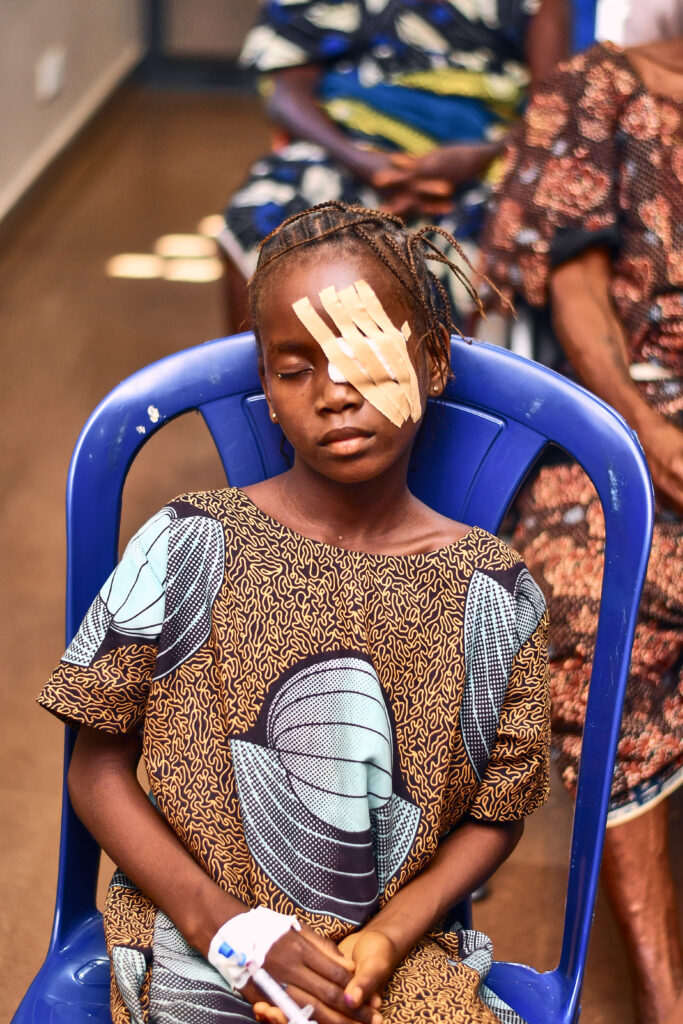
At JEF, this reality shapes every intervention we design. Our free medical outreaches have consistently reached larger communities and delivered greater clinical depth because of the collective strength of our partners, volunteers, institutions, and local leaders, none of whom could have produced the same result working alone.
Nigeria’s Wild Polio Eradication: A Partnership That Made History
In 2020, Nigeria was officially declared free of wild poliovirus, a milestone once considered almost impossible given the country’s size, the distrust of immunisation in some northern communities, and the security challenges of reaching remote populations. The turning point was not a new vaccine. It was a new partnership model. The Global Polio Eradication Initiative spanning WHO, UNICEF, the U.S. CDC, Rotary International, the Bill & Melinda Gates Foundation, and the Nigerian government made a deliberate decision to recruit Islamic leaders, traditional rulers, and community mobilisers as campaign partners rather than bystanders. Over 2,130 Volunteer Community Mobilisers conducted house-to-house visits, tracked newborns, and built trust where institutional workers could not reach.
The result: over 95% reduction in polio cases was recorded globally, with Nigeria leading one of the most remarkable public health reversals on the continent, powered not by money alone, but by the deliberate convergence of sectors around a shared purpose.
Partnerships Encourage Innovation
Innovation rarely emerges from uniformity. When people who think differently; the private sector introducing operational efficiency and technology-driven solutions, NGOs contributing contextual understanding and human-centred programme design, academic and healthcare institutions providing research and technical expertise, and communities contributing lived experience and local intelligence sit at the same table and their perspectives intersect, it creates the kind of creative friction required to make development solutions more adaptive, practical, and enduring.
The global response to HIV/AIDS is perhaps the most instructive example at scale. What began as a devastating epidemic with no coordinated response evolved through intentional collaboration between governments, nonprofits, pharmaceutical companies, international agencies, and faith communities into one of the most sophisticated global health partnerships in history. Research published in The Lancet has highlighted how faith-based organisations in sub-Saharan Africa have been indispensable in delivering HIV services to populations that public health systems alone could not adequately reach, providing between 30% and 70% of healthcare services in some African countries. The Brookings Institution’s analysis of SDG financing in Africa further underscores that blended finance, the strategic combination of public funds and private capital, holds significant promise for bridging the development financing gap, particularly in infrastructure, energy, and agriculture. These innovations are only possible in environments where sectors trust each other enough to co-design.
Partnerships Improve Sustainability
One of the most common and most preventable reasons development programmes fail is that they are not embedded in the communities they serve. Genuine sustainability requires shared ownership. When communities, local leaders, faith institutions, volunteers, and government stakeholders are active participants not merely beneficiaries, interventions take root. They are adapted, defended, and continued by the people who live them. This underscores the fact that the organisation that initiates an intervention is important and the community that internalises it is essential.
This is why JEF’s partnership model is built around co-creation rather than delivery. Whether working with healthcare professionals, grassroots associations, or faith-based organisations, our intention is always the same: to build something that belongs to the community long after the formal partnership structure has served its purpose.
Agriculture Partnerships in Côte d’Ivoire: Private Capital Reaching Small Farmers
In late 2024, a cross-sector partnership between Sanlam Allianz, Atlantique Assurances, AXA, and the International Finance Corporation (IFC) co-financed by Germany’s Federal Ministry for Economic Cooperation and Development, created a risk-sharing structure that enabled private insurers to enter high-risk agricultural markets in Côte d’Ivoire for the first time. The model worked because public capital absorbed the first layer of risk, making it commercially viable for private insurers to reach smallholder farmers who had previously been invisible to the formal financial system. No single organisation, government, private sector, or development institution could have structured this alone. Hence, the partnership was the product.
The Power of Volunteerism
Behind almost every successful development intervention in Africa are ordinary people giving extraordinary service. Doctors volunteering weekends. Nurses travelling for remote outreaches. Community mobilisers going door to door. Young people giving time to causes larger than themselves. This is volunteerism, and it is one of the most powerful and most undervalued forces in Africa’s development. According to the United Nations Volunteers, 58.5% of working-age Africans volunteer monthly, the highest rate of any region in the world. The African Union’s State of Volunteerism Report documents over 71 million volunteer hours annually across the continent, with a combined economic value exceeding $353.5 million.
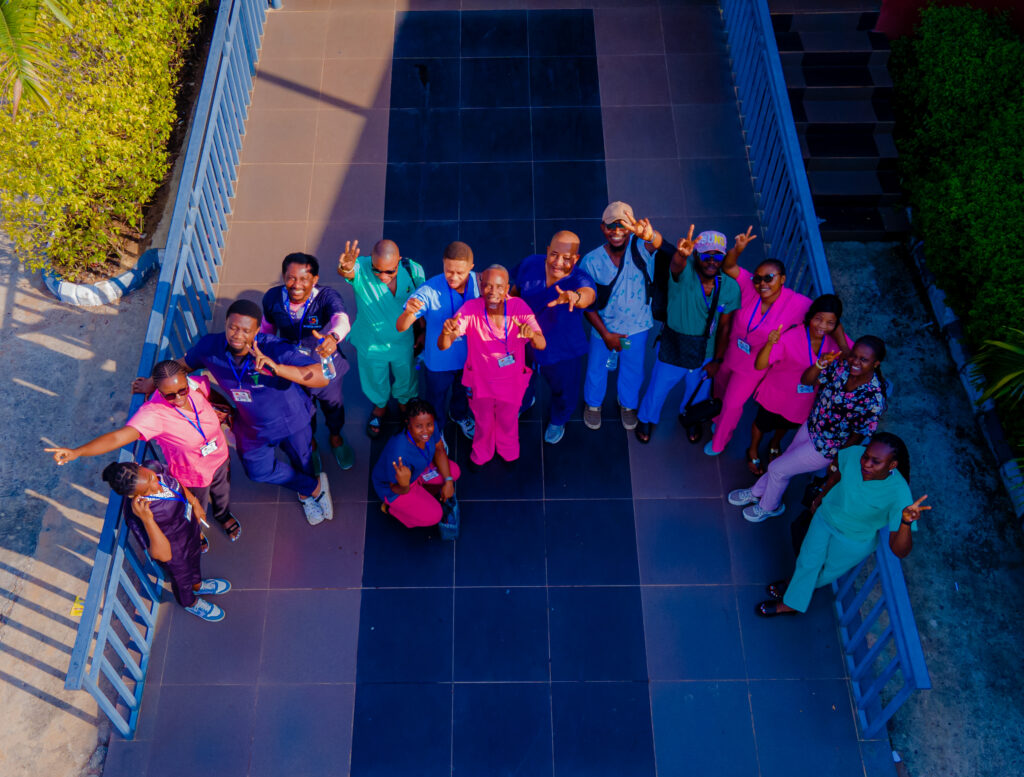
In Kenya alone, volunteers contributed an estimated 669 million hours in a single year equivalent to 3.66% of GDP. This goes to show that volunteerism does more than reduce operational costs. It deepens community ownership, builds civic responsibility, and creates the kind of social solidarity that no funded programme can manufacture because development is not only financed by money, it is powered by people.
JEF’s Partnership Philosophy
Africa’s development challenges are too vast for any single organisation to solve alone. That’s why at Jennifer Etuh Foundation, partnerships are not transactional arrangements. They are shared commitments to human dignity, community transformation, and the belief that lasting impact requires collective action. This is what makes JEF’s membership in the African Philanthropy Forum important.
APF connects us to the most influential philanthropists, funders, and changemakers, amplifying our visibility, deepening our strategy, and positioning us at the table where Africa’s development agenda is being shaped. For JEF, this isn’t just a membership, it’s a mandate to think bigger, reach further, and build the kind of partnerships that turn local impact into continental transformation. This is why every collaboration we enter reflects a conviction that the communities we serve deserve not just presence, but partnership in the fullest sense: listening, co-designing, and staying. Over the years, our collaborations have strengthened
- Medical outreaches
- Community health interventions
- Volunteer mobilisation
- Grassroots advocacy
- Healthcare access
- Humanitarian response efforts
- Community engagement
- Public awareness campaigns
- Empowerment interventions
Most importantly, these partnerships have helped ensure that interventions reach people with greater effectiveness, dignity, and the credibility that transforms a programme into a community movement. JEF has witnessed this repeatedly through collaborations with organisations and institutions like
An Invitation to Build Something Enduring with Us
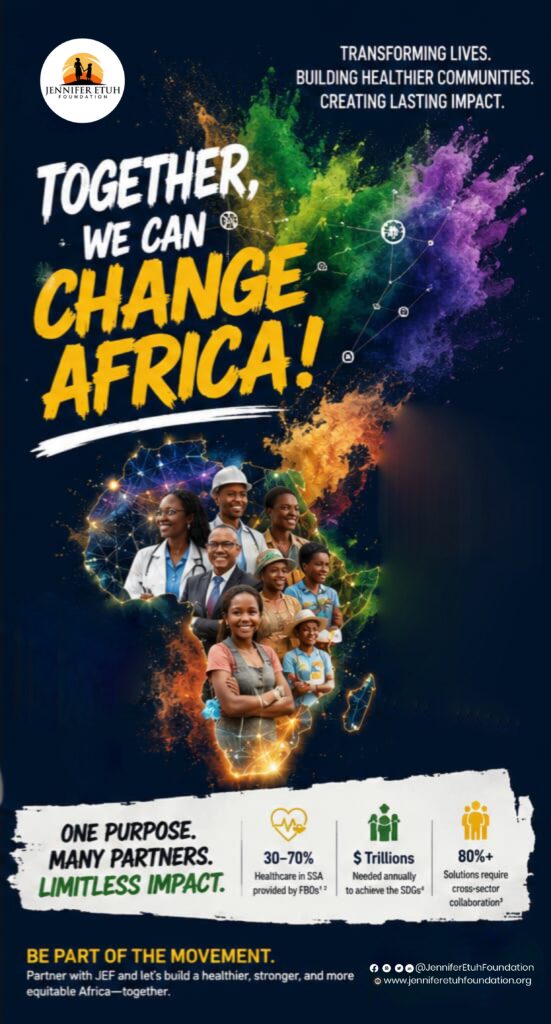
If you believe that sustainable impact grows stronger when institutions, communities, and changemakers unite around shared purpose, we would like to hear from you. We are actively seeking partnerships across sectors to advance healthcare access, strengthen communities, empower vulnerable populations, and advance sustainable development outcomes across Africa.
We invite:
- Private-sector organisations
- Development agencies
- NGOs and nonprofits
- Healthcare institutions
- Faith-based organisations
- Community leaders
- Philanthropic foundations
- Volunteer networks
- Government institutions
- Media organisations
…to collaborate with us in driving transformational impact across communities because when partnerships are purposeful, development becomes deeper, wider, and more sustainable. And when people work together, hope travels farther than any organisation could carry alone.
References
- United Nations – SDG Goal 17: Partnerships for the Goals
- UNDP – Sustainable Development Goals Overview
- The Lancet – Faith-Based Organizations in Sub-Saharan African Health Systems
- UN Foundation – Innovation in Action: Fighting Polio in Nigeria
- ScienceDirect – Eradication of Wild Poliovirus in Nigeria: Lessons Learnt
- American Journal of Tropical Medicine & Hygiene – Contributions of Volunteer Community Mobilisers to Polio Eradication in Nigeria
- Brookings Institution – Navigating Rough Patches: Financing Africa’s SDGs
- United Nations Volunteers – Let Us Truly Value Volunteers in 2026
- African Union / UNV – State of Volunteerism in Africa Report
- CNBC Africa – Cross-Sector Partnerships Can Accelerate Transforming African Agriculture